Product Inspection Finding: A Real Factory Story
A French client commissioned us to conduct a third-party inspection on a vacuum flask set (one thermos flask with three matching cups). Upon arrival, the factory’s sales representative confidently told our inspector: *”This is our VIP client. Production handled this batch with extreme care, and since we are a top-tier large factory, the quality will be absolutely flawless.”* Our inspector politely nodded and walked into the inspection zone.
However, the moment he opened the very first shipping carton and pulled out the first unit, he looked at the sales rep and warned: *”We might have a systemic disaster here.”*
The reason? The product’s packaging was a premium matte black laminated box, but it was packed with zero outer protection — no polybags, no shrink wrap. In printing and packaging, matte black is notorious for being the most fragile surface, incredibly vulnerable to even the slightest friction.
The sales rep quickly defended the factory, insisting that the production line was very careful and suggested checking more cartons. After opening 5 cartons randomly back-to-back, every single color box showed heavy scuffing and scratches, exactly as predicted.
The representative stood there completely speechless. They couldn’t understand why this happened when the production department had explicitly promised to monitor the quality.
The Hard Lesson: This wasn’t a case of a careless workforce. It highlights a classic manufacturing pitfall: Factories often pour 100% of their energy into the core product, while completely neglecting the vulnerability of accessories and packaging.
Defect Analysis
| Finding Analysis | Details |
|---|---|
| Product | Stainless steel tumbler set in a matte black printed box |
| Defect | Scratches on the matte lamination box surface |
| Root Cause | Matte black printing is highly susceptible to scratches, and the boxes were shipped without any protective packaging (film shrink wrap or plastic bag). |
| Corrective Action | Implement shrink film wrapping for each box, or add a soft plastic bag (less effective than shrink film). |
| Frequency | ⭐⭐⭐⭐⭐ |
| Rework Difficulty | ⭐⭐⭐⭐⭐ |
| Rework Collateral Risk | ⭐⭐⭐⭐⭐ |
What Are “Matte Black Box Scratches” and Why Do They Matter?
Matte lamination creates a smooth, non-reflective finish that looks premium and feels luxurious to the touch. However, this finish is extremely fragile:
- Light scratches — faint lines that catch light at certain angles
- Heavy scuffs — wider abrasions that remove the matte texture and reveal the shiny surface beneath
- Pressure marks — indentations caused by boxes pressing against each other during transport
Why it’s a critical defect: The packaging is the first interaction the customer has with the product. A scratched, damaged box creates the immediate impression that the product inside is also low-quality or has been mishandled. For a premium product like a stainless steel tumbler set, the packaging is part of the brand experience — and scratches ruin that experience.
Root Cause Analysis: Why Did This Happen?
This defect is not a “factory carelessness” issue — it’s a design and process oversight:
1. The Fragility of Matte Black Finish
Matte black printing is a high-maintenance finish. Because it’s not glossy, every imperfection is visible. Even a light rub during packing, stacking, or transport leaves a mark. Unlike glossy boxes where small scratches are less noticeable, matte black makes scratches stand out prominently.
2. No Protective Packaging (The Root Cause)
This is the critical failure. The boxes were packed directly into cartons without:
- Shrink wrap (heat-sealed plastic film tightly covering the box)
- A soft plastic bag (individual bags for each box)
- Paper interleaving (thin paper sheets between boxes)
Without protection, the boxes rubbed against each other during packing and transit. Even careful handling couldn’t prevent this.
3. The “Main Product” Blind Spot
Everyone in the factory focused on the stainless steel tumbler — checking the body, the coating, the lid, the cups. But packaging and accessories are often overlooked because they aren’t the “hero product.” This is a common blind spot in manufacturing: all the quality attention goes to the main item, while the packaging becomes an afterthought.
4. Over-Trust in Verbal Assurances
The sales rep “told” production to be careful. Production “promised” they would be. But without a physical protection process (e.g., shrink wrap), promises mean nothing. Verbal assurances are not a substitute for preventive measures.
Why a Professional Product Inspection Service in China Matters
This case highlights three critical reasons to hire an independent product inspection service in China:
| Reason | What Happened Here |
|---|---|
| 1. Experience with Specific Defect Types | Our inspector knew that matte black boxes are scratch-prone — and that the first box would already show the problem. He didn’t need to open 50 boxes to confirm the issue. |
| 2. Catching the “Blind Spot” | The factory had 100% focus on the tumbler. Our inspector was the only person looking at the packaging. He found the defect because he was checking the whole product — not just the main item. |
| 3. Prevention, Not Just Detection | Our inspector’s immediate comment was that the boxes needed protection. This means he wasn’t just finding a problem; he was identifying the root cause and the solution. |
How to Fix It: Practical Solutions
Immediate Corrective Action (For This Batch)
- Stop packing and shipping immediately. The current batch is likely already scratched, and further transit will only worsen the damage.
- Inspect all boxes individually. Sort scratched boxes into “minor” (acceptable with discount) and “severe” (must be scrapped or replaced).
- For future orders, implement mandatory protective packaging.
Long-Term Preventive Measures
| Measure | Description | Effectiveness |
|---|---|---|
| Shrink Film Wrap | Heat-shrink plastic film tightly around each individual box. | ⭐⭐⭐⭐⭐ (Best) |
| Plastic Bag Protection | Place each box in a soft plastic bag before packing into cartons. | ⭐⭐⭐⭐ (Good) |
| Paper Interleaving | Place sheets of thin paper between boxes to prevent direct contact. | ⭐⭐⭐ (Moderate) |
| Box Redesign | Change to a glossy finish (less scratch-prone), or add a protective coating to the matte surface. | ⭐⭐⭐⭐ (Good for future orders) |
| Specify Packaging Standards | Include protective packaging requirements in your supplier contract and order specifications. | ⭐⭐⭐⭐⭐ (Essential) |
Inspection Photos
(Insert your actual inspection photos here with detailed captions.)
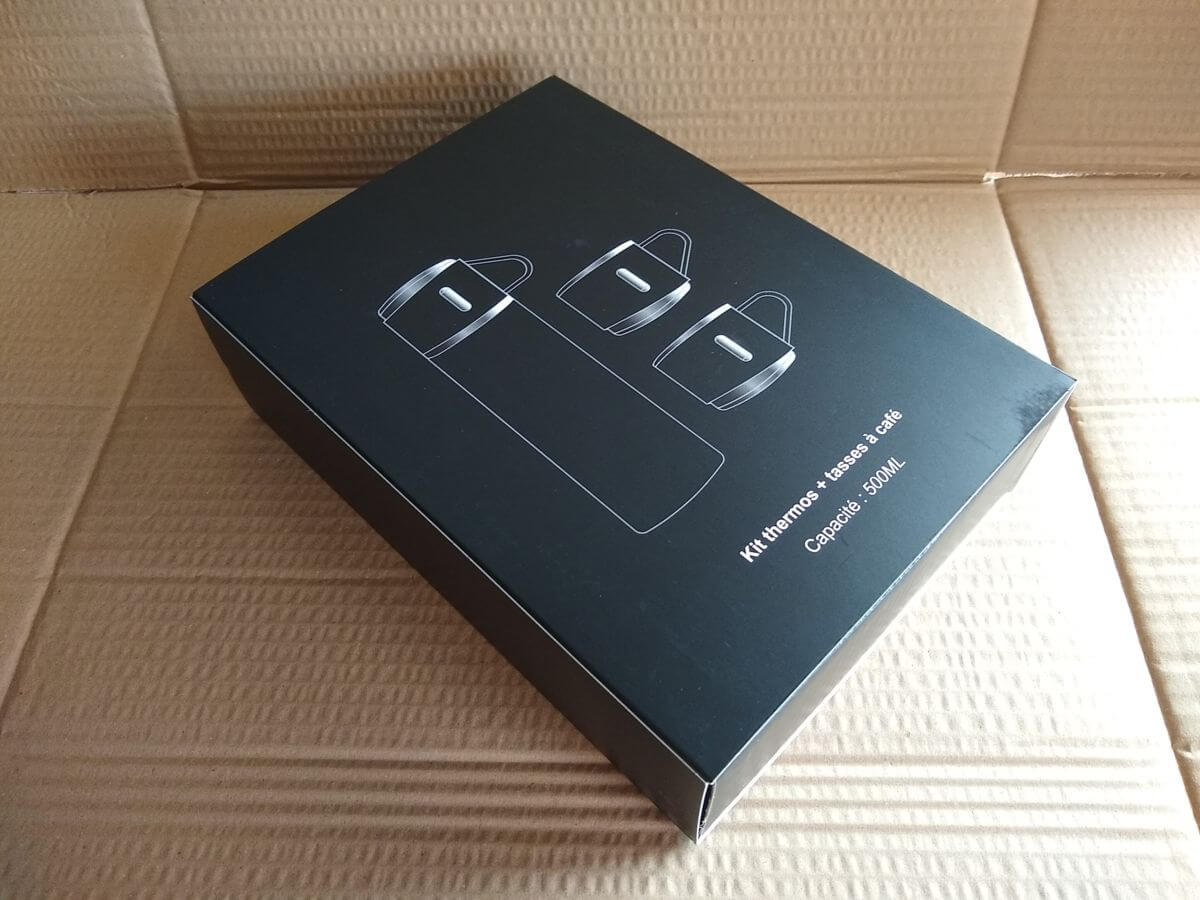
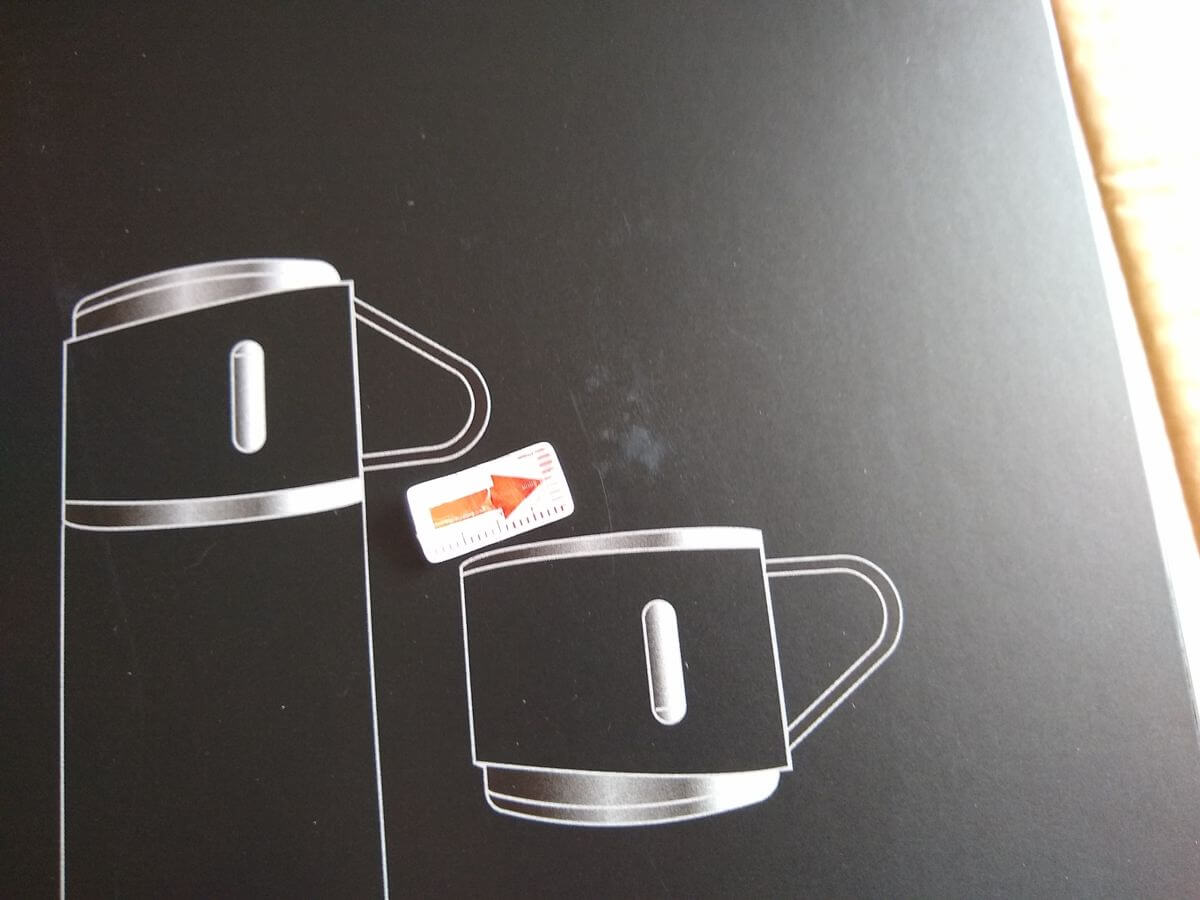
Overall view of the tumbler set packaging. The matte black box looks premium from a distance, but the scratches are immediately visible on close inspection.
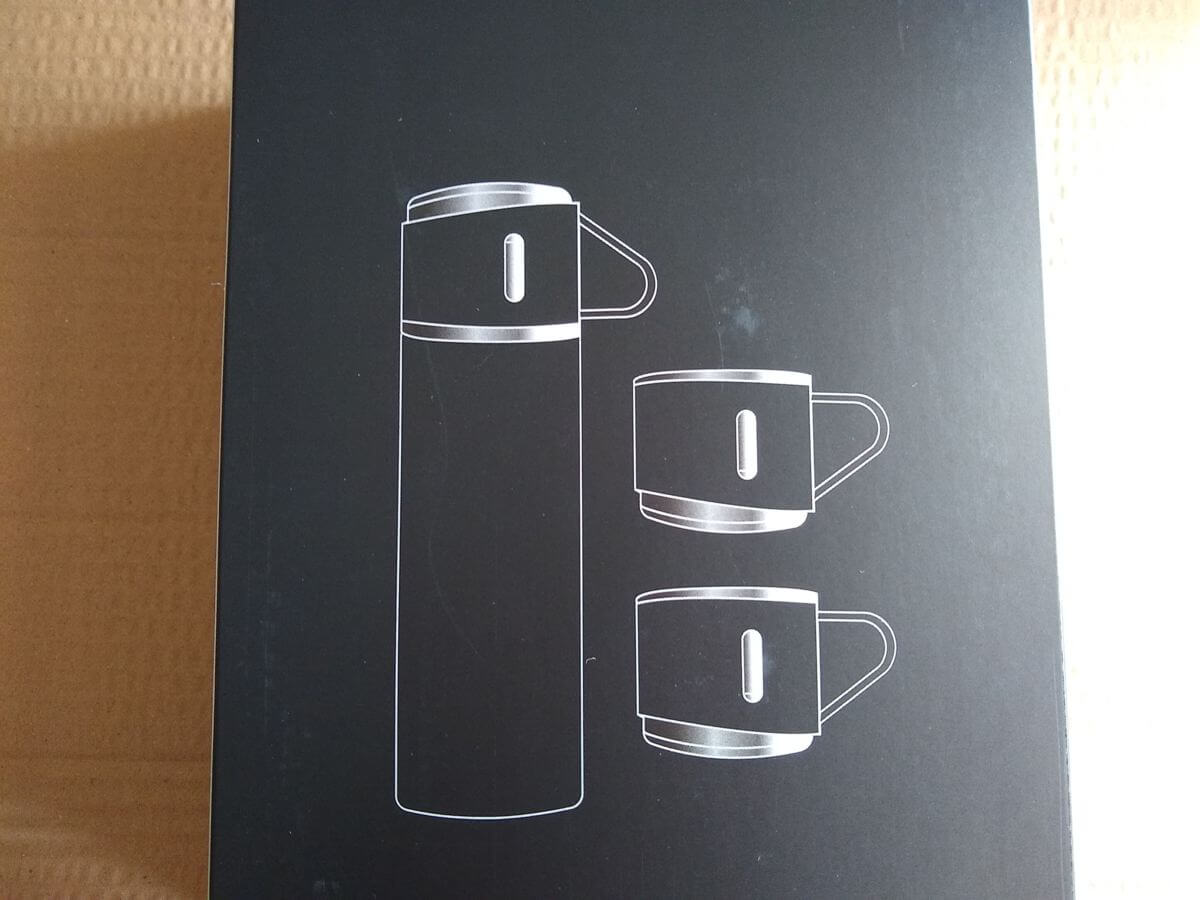
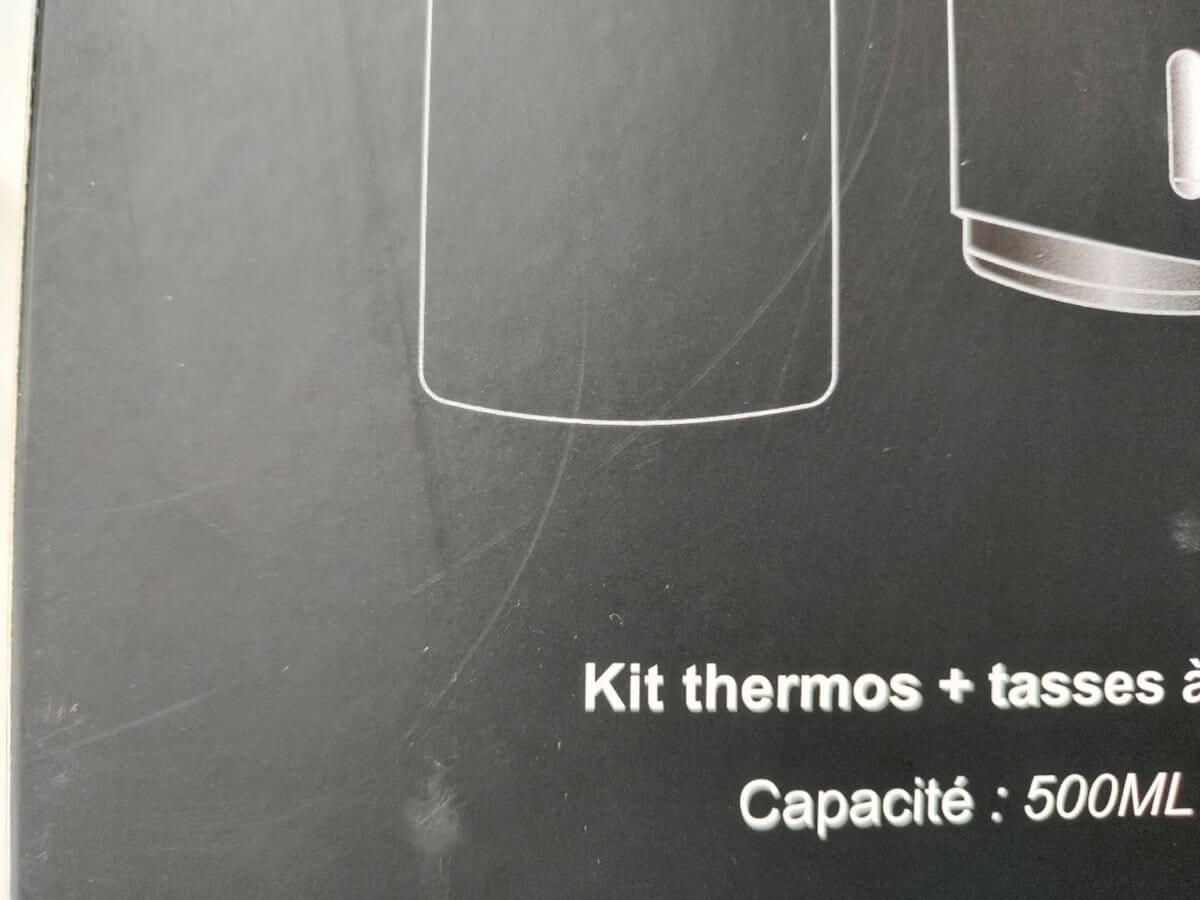
Close-up of the box surface showing visible scratches. The matte finish makes every mark stand out clearly.
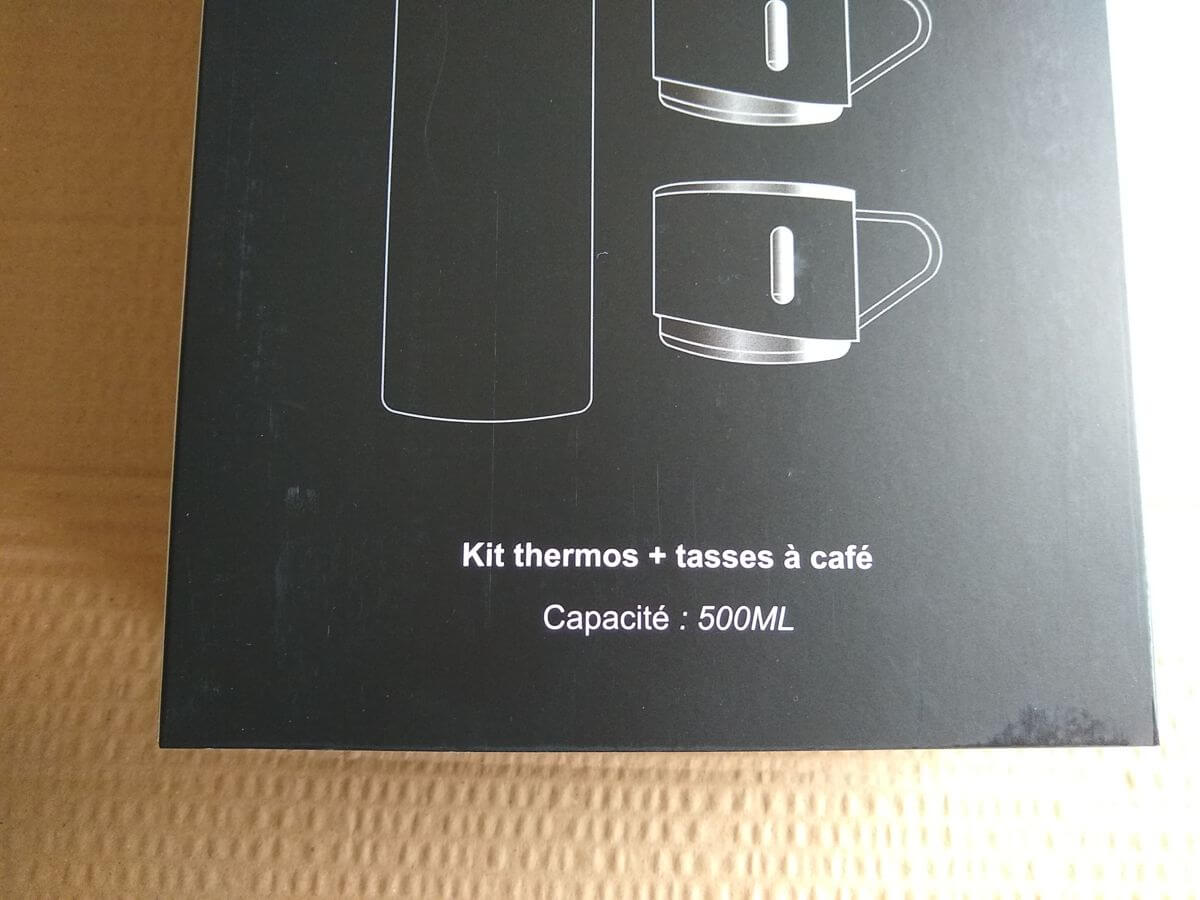
Light surface scratches caused by boxes rubbing against each other during packing and transport.
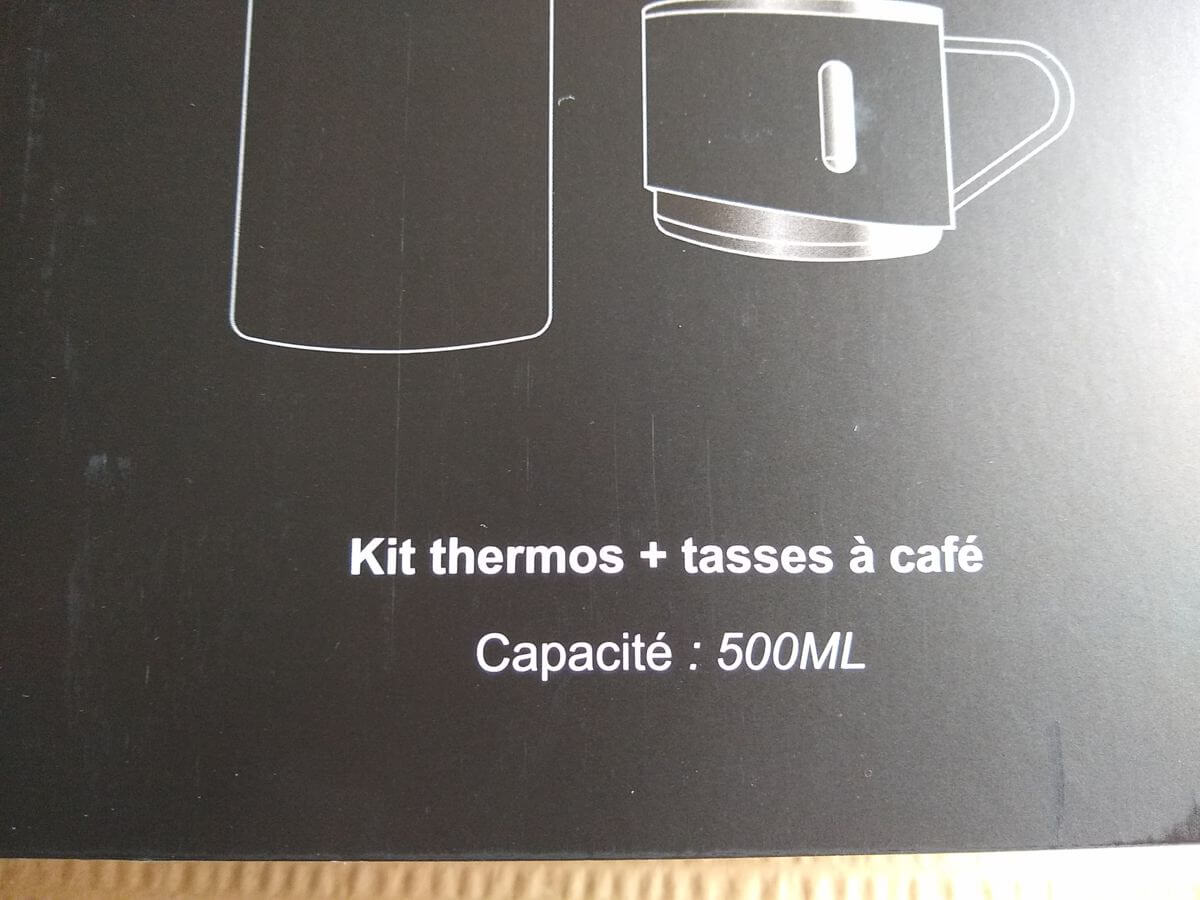
Heavier scuff marks where the matte texture has been physically removed, revealing the shiny surface underneath.
Multiple scratches on a single box, showing how widespread the damage can be without protective packaging.
Side-by-side comparison: (Left) Scratched box, (Right) Box with proper shrink wrap protection.
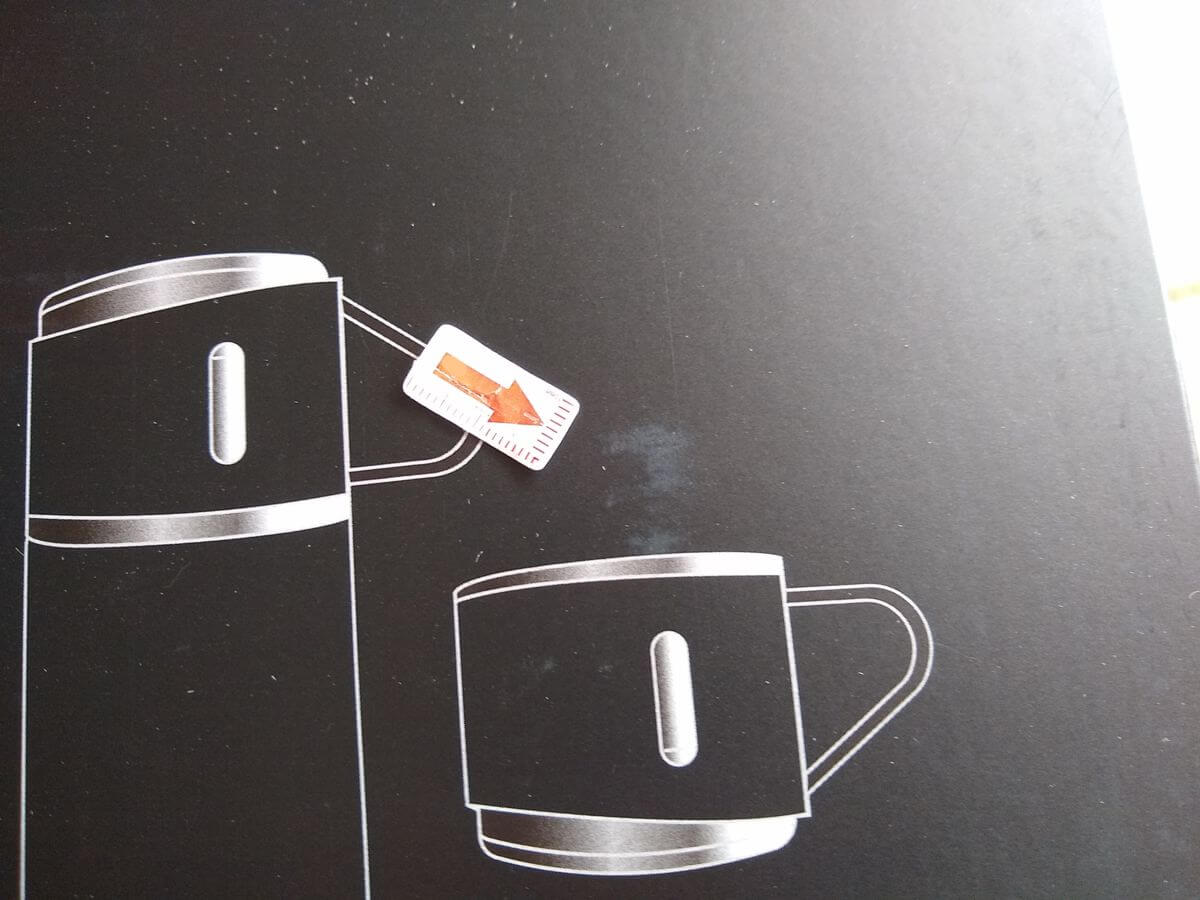
Boxes stacked directly on top of each other without any protective film — this is how scratches happen.
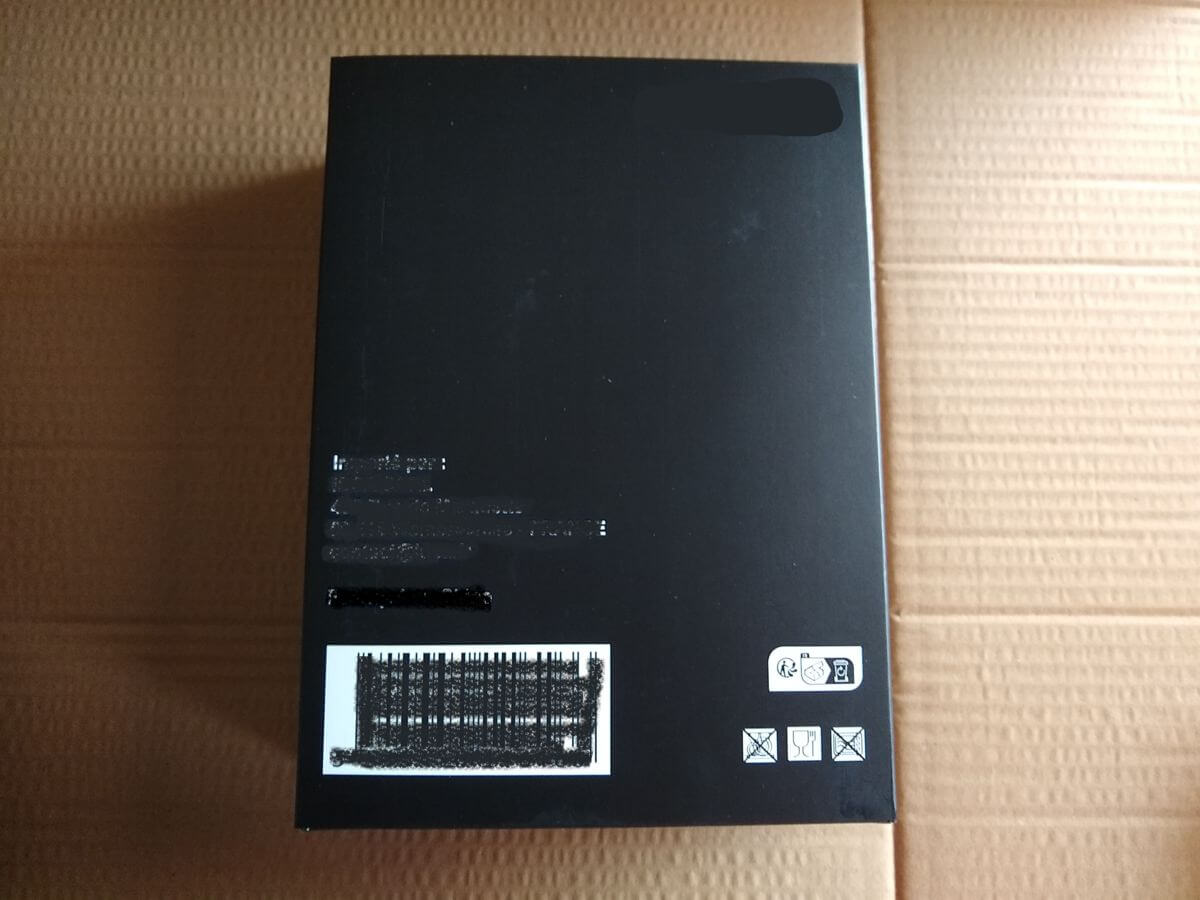
Scratches become highly visible when the box is viewed under angled light.
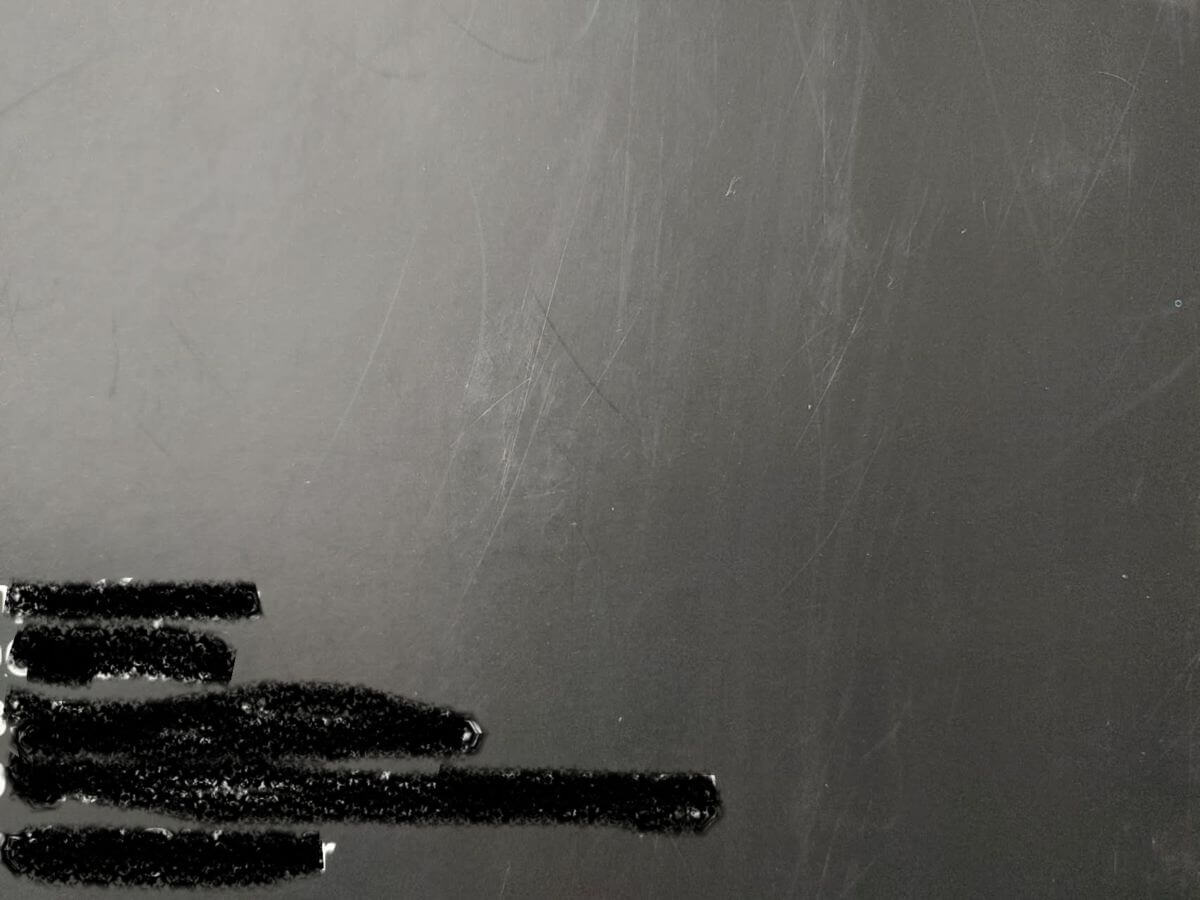
Extreme close-up of a scuff mark showing the removal of the matte coating.
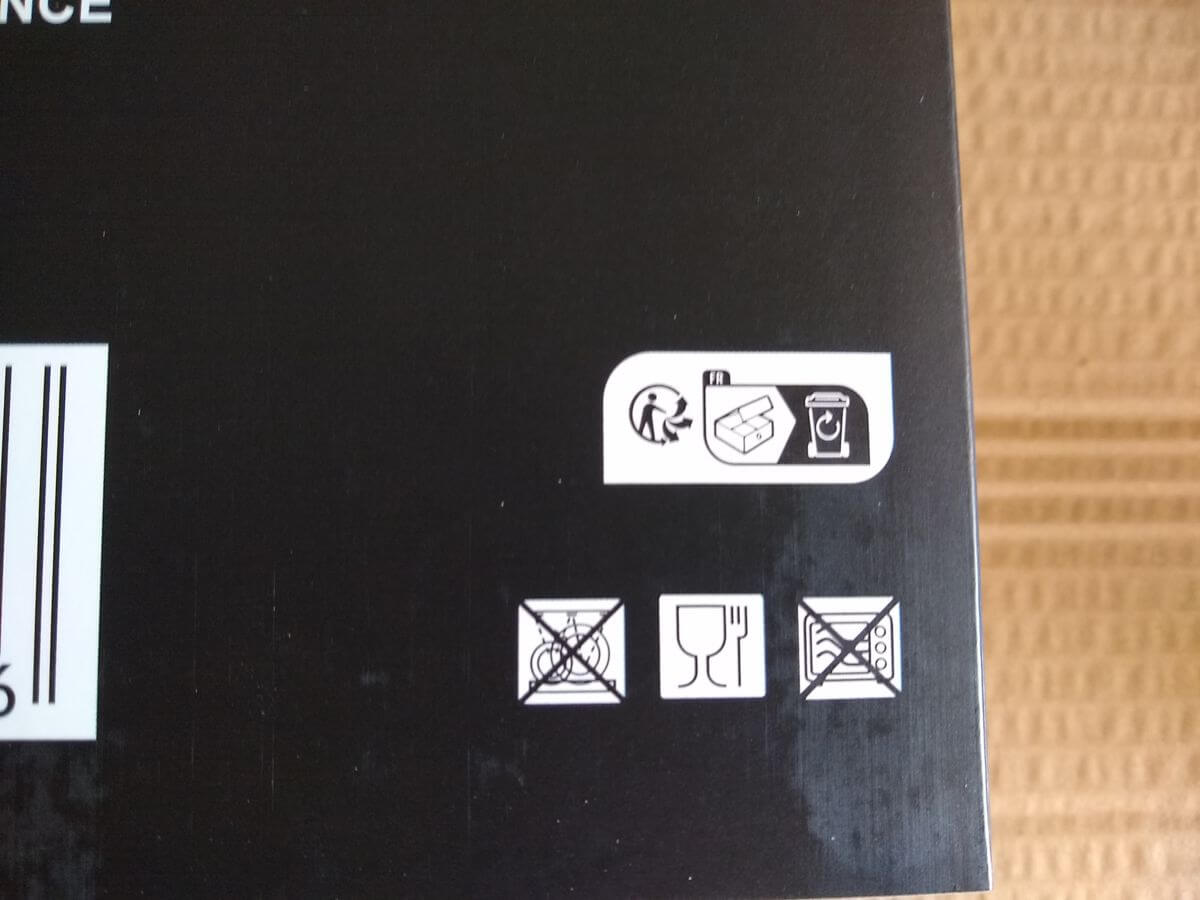
The packing station where boxes were handled without protective wrapping.
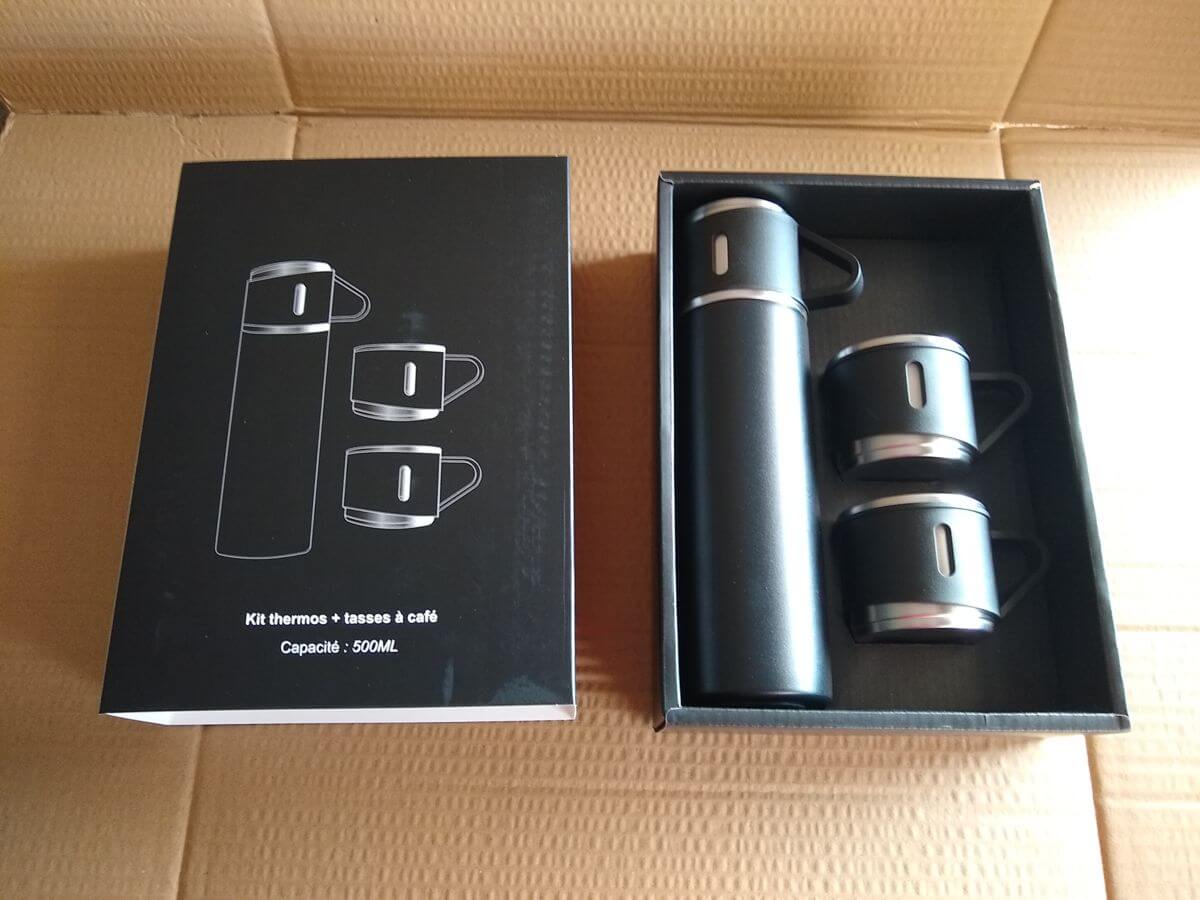
1 flask with 3 cups(1 is also bottle lid.
Rework Effort & Risk Assessment
| Evaluation Metric | Rating | What It Means |
|---|---|---|
| Frequency | ⭐⭐⭐⭐⭐ | Very High. This defect occurs in nearly every order where matte black packaging is used without protection. It is extremely predictable and 100% preventable. |
| Rework Difficulty | ⭐⭐⭐⭐⭐ | Nearly Impossible. Scratches on matte lamination cannot be repaired. The box must be completely scrapped and re-printed. There is no cost-effective rework solution. |
| Rework Collateral Risk | ⭐⭐⭐⭐⭐ | Extreme. Attempting to “repair” a scratched matte box (e.g., applying coating or printing over) usually makes it look worse. The scrap rate is nearly 100%. |
💡 QC Insight for Buyers
For procurement professionals and brand owners sourcing products with matte black or other scratch-prone packaging:
- Protection is mandatory, not optional. If your packaging is matte black, glossy black, or any other easily scratched finish, do not allow production to start until you have confirmed the protection method (shrink wrap, plastic bag, etc.).
- Inspect the first packed cartons. Do not wait until the end of production. Check the packaging after the first 5-10 cartons are packed. This is when you will catch issues like this.
- Include packaging in your inspection checklist. Many buyers focus 100% on the main product and 0% on packaging. This is a mistake. The packaging is part of the product experience.
- Do not trust verbal assurances. “We’ll be careful” is not a quality plan. Require documented processes (e.g., “100% of boxes will be shrink-wrapped before packing”) and verify them during inspection.
- Ask for photos of the packed cartons. Before your order leaves the factory, request random photos of the packed boxes. This simple step would have caught this defect early — without even needing an on-site visit.
The Bottom Line: Lessons for Your Next Order
This case study is part of our ongoing effort to share real, on-the-ground inspection findings with buyers, brand owners, and sourcing professionals. The goal is simple: help you understand what can go wrong in production — and how to prevent it before it costs you time, money, and reputation.
These are not theoretical articles. Every defect we share comes from a real inspection at a real factory. These problems happen to VIP clients, big brands, and small startups alike. The patterns are predictable, and most are preventable — once you know where to look.
I hope these real case studies help you ask better questions, set clearer standards, and catch more issues before they ship.
Have a similar quality issue? Feel free to reach out — we’re happy to share our experience.
🔍 Looking for reliable product inspection service in China?
With 17 years of on-site QC experience, we can help you catch these issues before they ship at $168/man-day.
Learn more →