Behind the Case
This pre-shipment inspection took place at a highly reputable packaging materials factory in China. The client, an international premium brand owner, maintains uncompromising standards for their retail presentation. Because they understand that unboxing is a critical part of the customer experience, they paid a premium to contract this major manufacturer for their plain white inner boxes, explicitly requiring a third-party inspection before release.
Upon arriving on the factory floor, our inspector was met with open skepticism. The factory representative pointed at the stacks of plain cardboard and smirked:
*”It’s just a simple white box with absolutely simple printing, nothing fancy. Why on earth are you wasting time inspecting this? The client must have more money than sense.”*
Our inspector didn’t argue, but calmly replied: *”Well, the client has strict protocols, and since it’s my job, I need to make sure everything is executed to specification. Let’s get the inspection started.”*
The representative shrugged, expecting a quick, boring walkthrough. However, the moment our inspector initiated the random sampling and structural breakdown, this severe pressing defect was uncovered across the batch. The factory’s dismissive tone vanished instantly.
Product Inspection Finding
This cosmetic and structural defect is a classic example of how improper handling of flat-packed materials can compromise high-end, minimalist packaging. Without graphics or text to mask surface imperfections, these indentations ruin the clean aesthetic required by premium brands.
The Hard Lesson: Even the simplest-looking packaging can hide defects. And the factories that dismiss the need for inspection are often the ones that need it most.
Defect Analysis
| Finding Analysis | Details |
|---|---|
| Product | Simple white inner box (packaging for a brand owner) |
| Defect | Evident press mark on the folded box joint |
| Root Cause | Stacking pressure on the folded box joint during storage or transit |
| Corrective Action | Minimize stacking time or implement stacking methods that avoid excessive pressure on the folded box joints. |
| Frequency | ⭐⭐⭐⭐⭐ |
| Rework Difficulty | ⭐⭐⭐⭐⭐ |
| Rework Collateral Risk | ⭐⭐⭐⭐⭐ |
What Is a “Press Mark” and Why Does It Matter?
A press mark is a permanent indentation or deformation on the surface of a paperboard or cardboard box, caused by sustained pressure — typically from stacking.
On a simple white box, press marks are particularly visible because there is no printing or design to camouflage them. The mark catches light differently, creating an obvious visual defect.
Why it’s a critical defect: For a brand owner, packaging is part of the product experience. A box with press marks looks damaged, second-hand, and low-quality. It undermines the premium image the brand is trying to project — even if the product inside is perfect.
Root Cause Analysis: Why Did This Happen?
1. Stacking Pressure on the Folded Joint
The press mark occurred at the folded joint of the box — where multiple layers of paperboard overlap[reference:0]. This area is thicker and more rigid than the rest of the box, creating a natural pressure point. When boxes are stacked on top of each other, the weight concentrates on these joints, leaving visible indentations on the boxes below.
2. Extended Stacking Time
The boxes were likely stacked for an extended period — either in storage or during transit. The longer boxes remain under pressure, the more pronounced the press marks become[reference:1].
3. Dismissive Attitude Toward Quality
The factory’s attitude — “it’s just a simple white box, why inspect?” — meant they likely didn’t pay attention to stacking methods, stacking height, or storage duration. They assumed “simple” meant “foolproof.”
4. No Protective Measures Between Boxes
Unlike printed boxes that may have protective coatings or interleaving paper, simple white boxes are often stacked directly on top of each other. Without protection, the pressure from the folded joints transfers directly to the box underneath[reference:2].
How to Prevent This in Your Orders
Immediate Corrective Action (For This Batch)
- Stop stacking boxes under pressure — If the defect is already visible, further stacking will only make it worse.
- Inspect all boxes individually — Sort affected boxes into “minor” (acceptable with discount) and “severe” (must be scrapped or replaced).
- For future orders, implement protective measures.
Long-Term Preventive Measures
| Measure | Description | Effectiveness |
|---|---|---|
| Reduce Stacking Time | Minimize the time boxes spend stacked before shipping. | ⭐⭐⭐⭐ |
| Lower Stack Height | Reduce the number of boxes stacked on top of each other to decrease pressure. | ⭐⭐⭐⭐ |
| Interleaving Paper | Place sheets of paper between stacked boxes to distribute pressure. | ⭐⭐⭐ |
| Protective Corner Protectors | Use edge protectors to prevent pressure concentration at folded joints. | ⭐⭐⭐⭐ |
| Carton Redesign | Consider design changes to reduce the thickness or rigidity at folded joints. | ⭐⭐⭐ |
| Box Compression Testing | Test the compression strength of the carton design before mass production[reference:3][reference:4]. | ⭐⭐⭐⭐⭐ |
💡 QC Insight for Buyers
For procurement professionals and brand owners sourcing packaging materials:
Simple doesn’t mean defect-free. Even plain white boxes can have quality issues. Never assume “simple” equals “no problems.”
Stacking is a silent killer. The way boxes are stacked, stored, and transported can create defects that aren’t visible until unpacking. Ask your supplier about their stacking methods and storage duration.
Inspect the packaging too. Many buyers focus 100% on the product and 0% on the packaging. But the packaging is the first thing the customer sees. If it’s damaged, the product’s perceived value drops instantly.
Don’t let factories dismiss your inspection requirements. As this case shows, the factories that complain about inspection are often the ones with the most to hide.
Test your packaging design. Before mass production, have your carton design tested for compression strength to ensure it can withstand stacking pressure without deforming[reference:5].
Inspection Photos
(Insert your actual inspection photos here with detailed captions.)
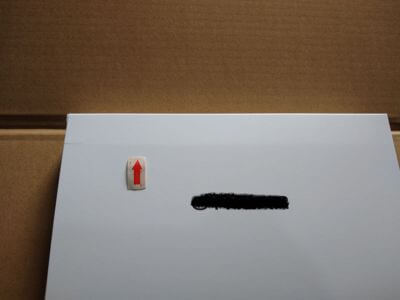
Overall view of the simple white inner boxes. From a distance, they look fine — but close inspection reveals the press marks.
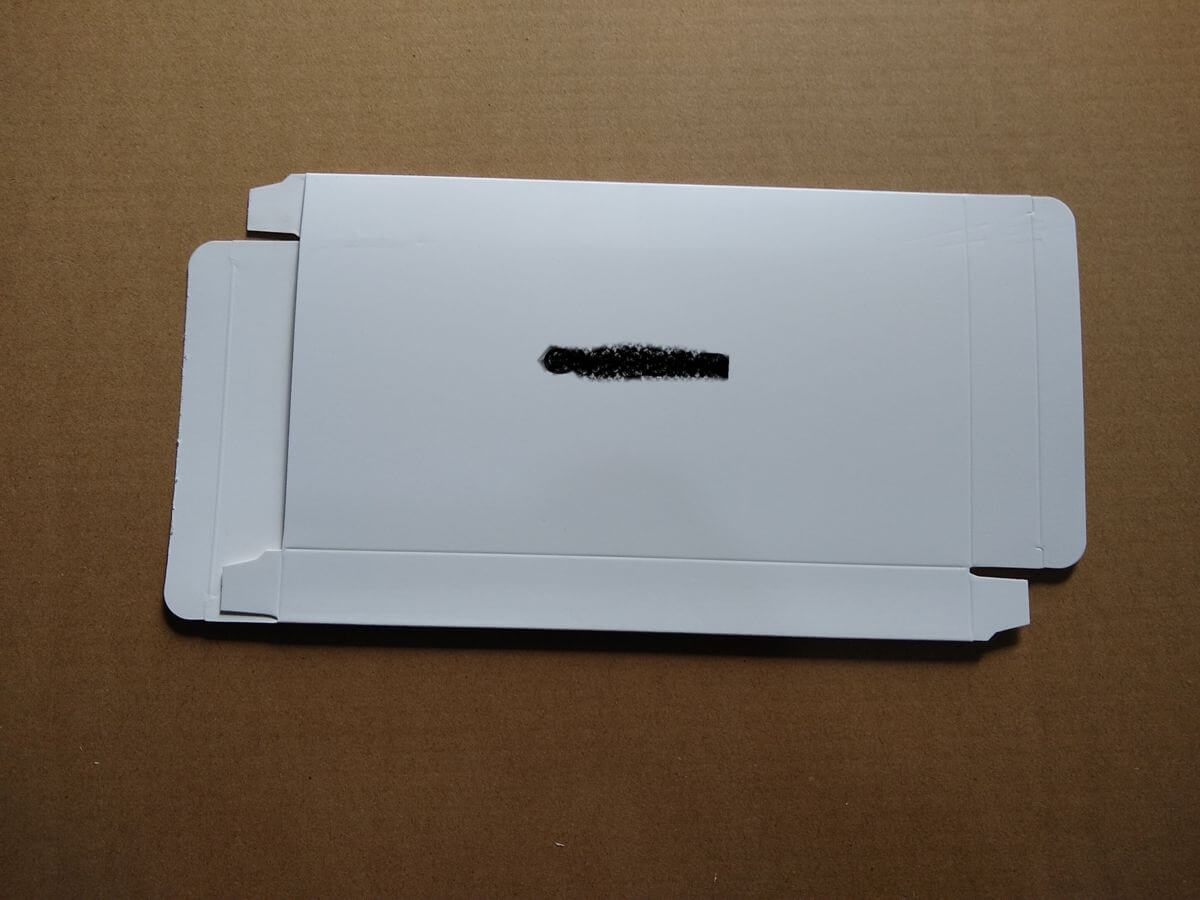
Another view of the boxes before inspection.
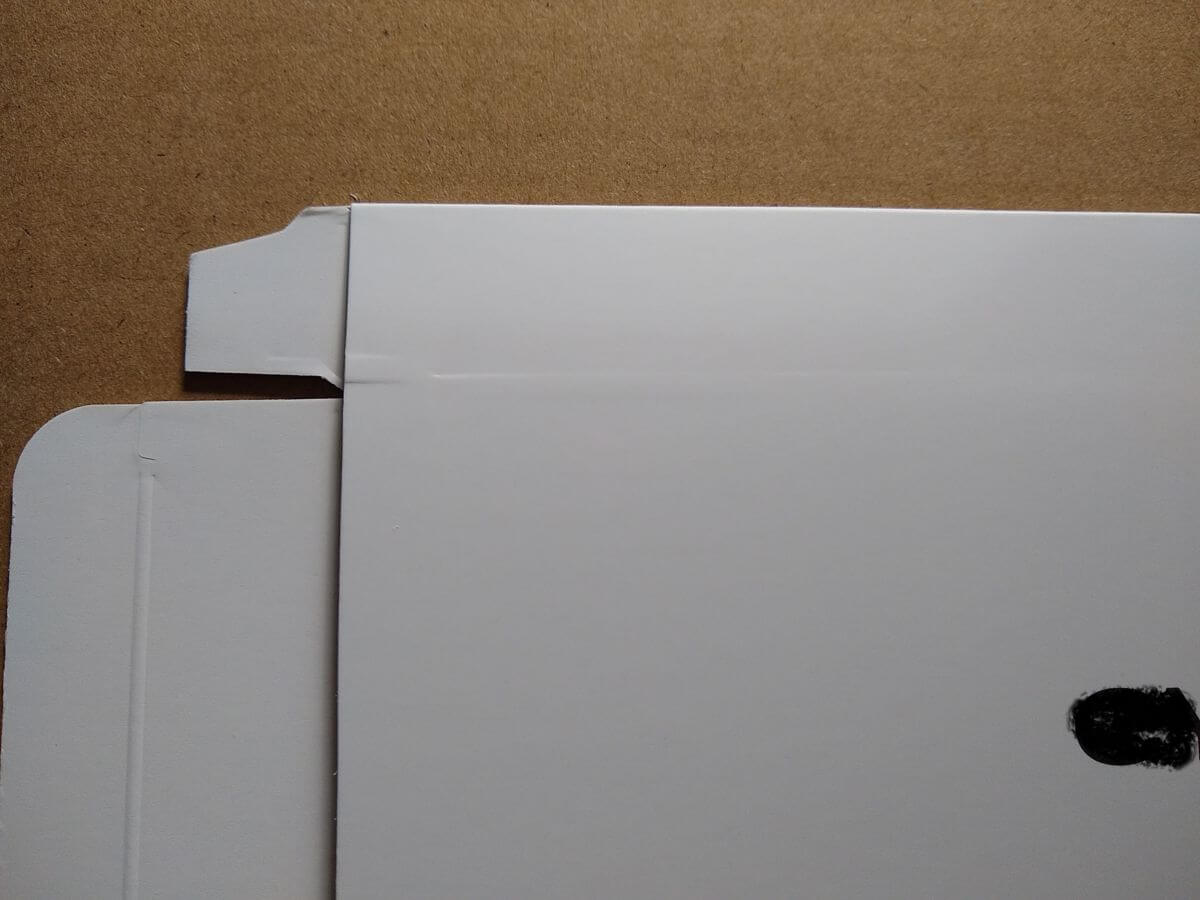
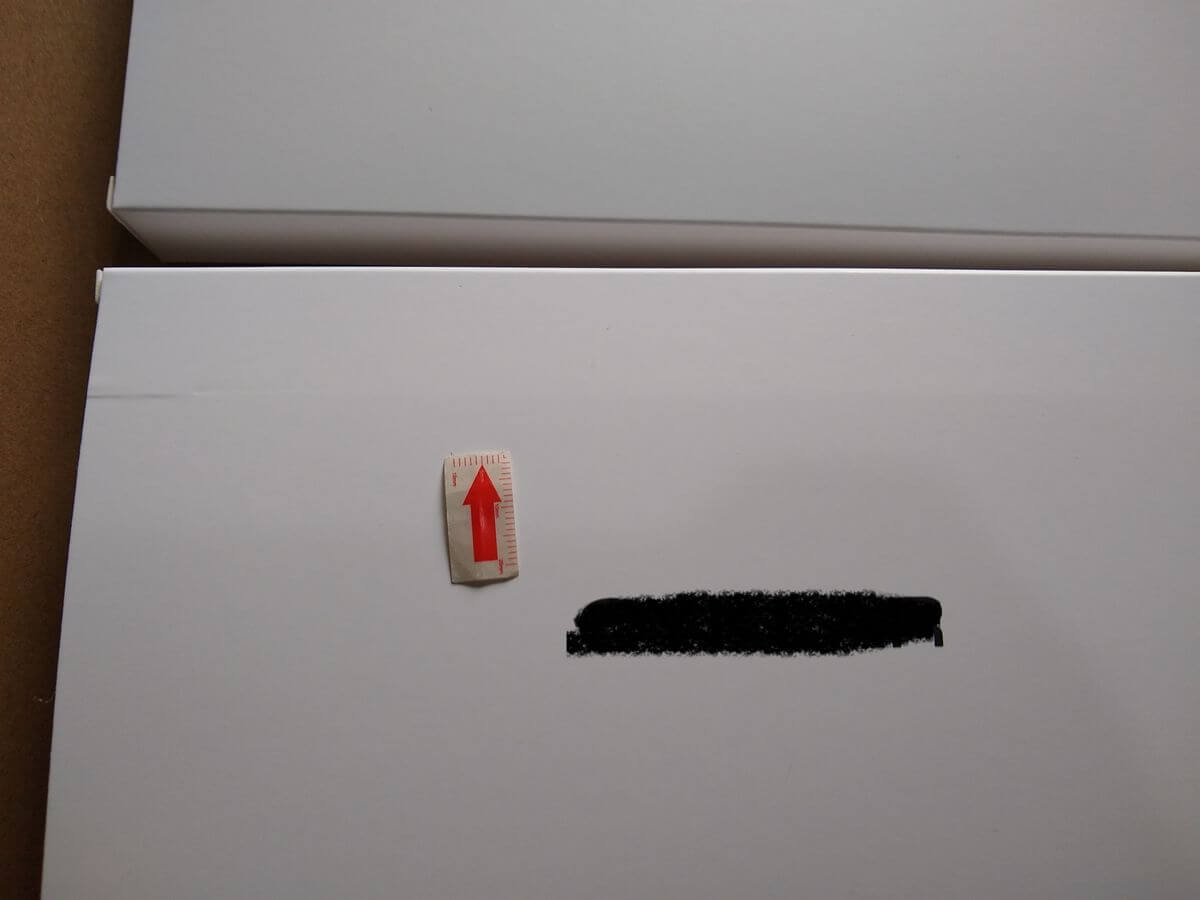
Close-up of the press mark on the folded box joint. The indentation is clearly visible on the white surface.
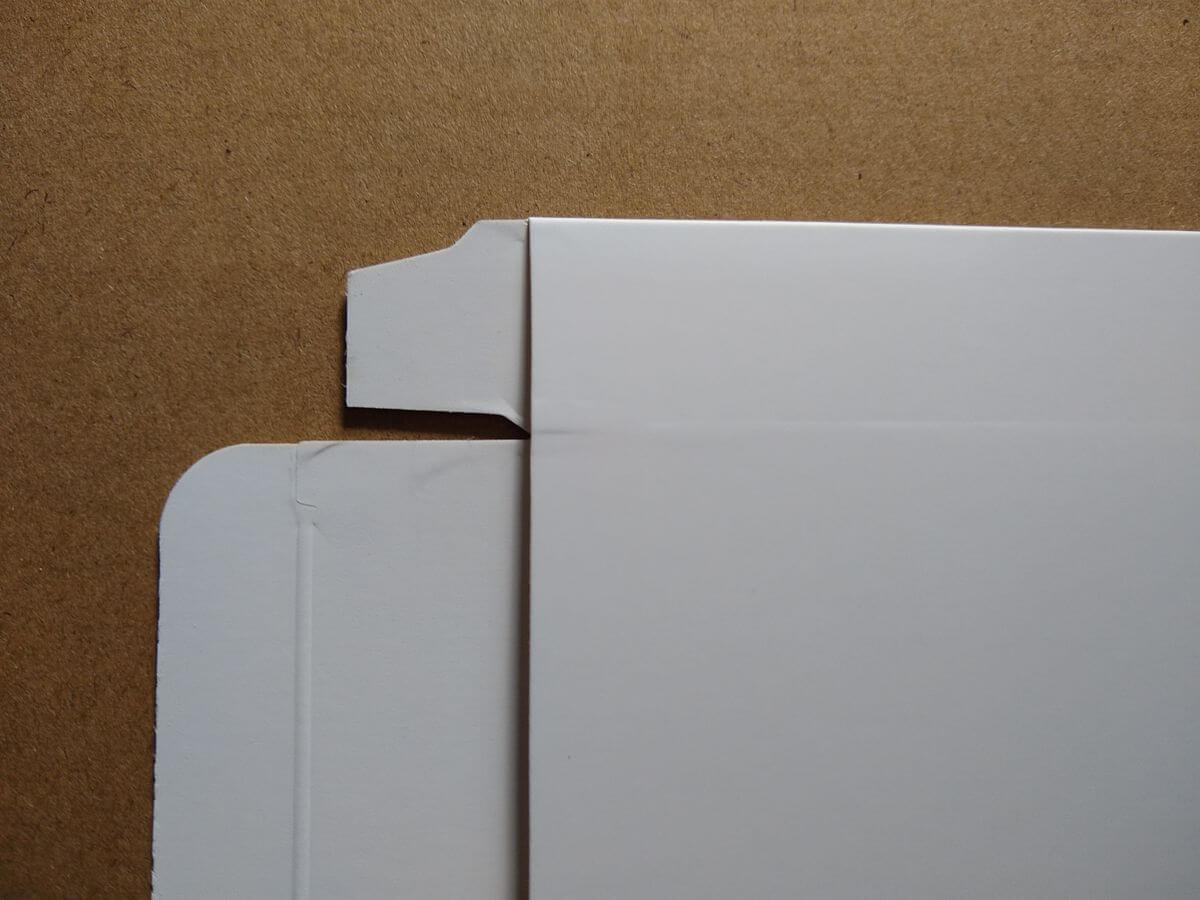
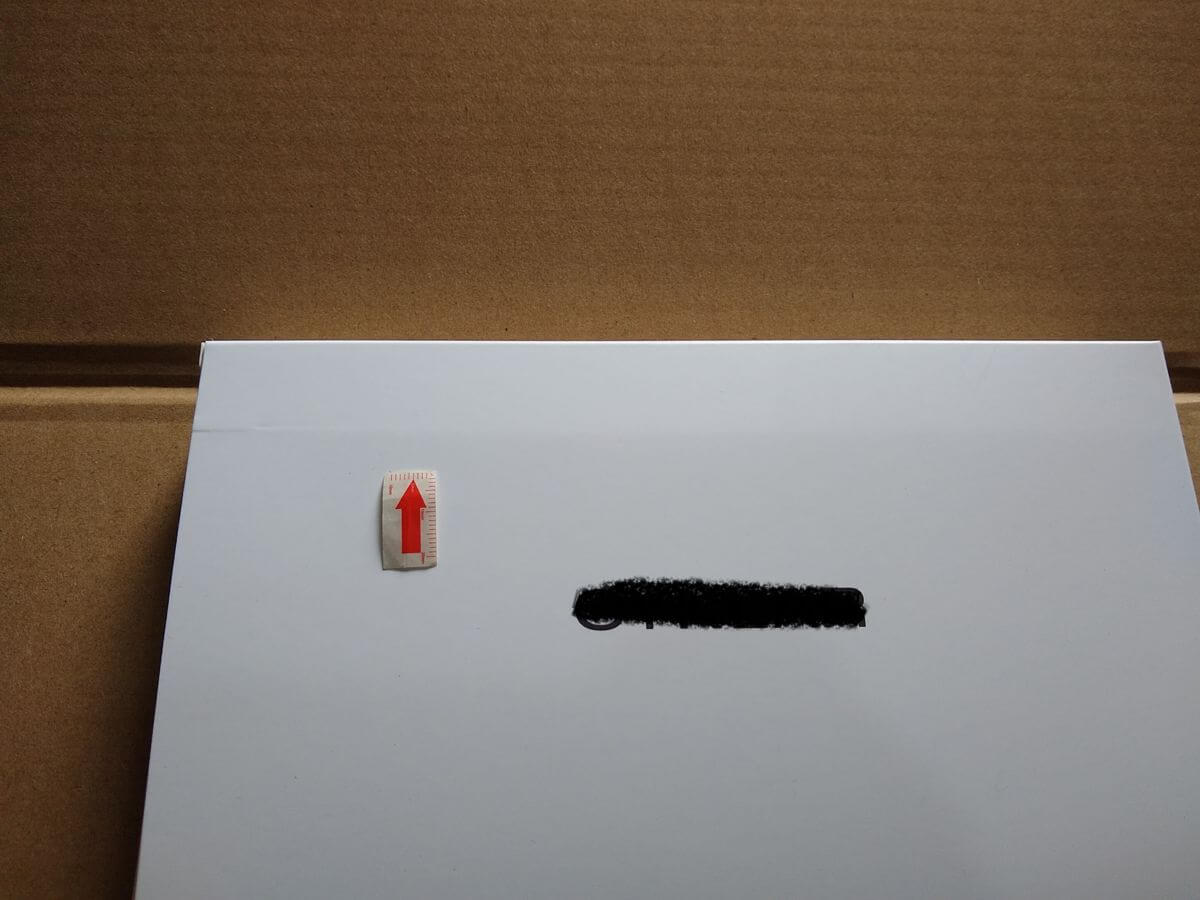
Another angle showing the press mark at the joint.
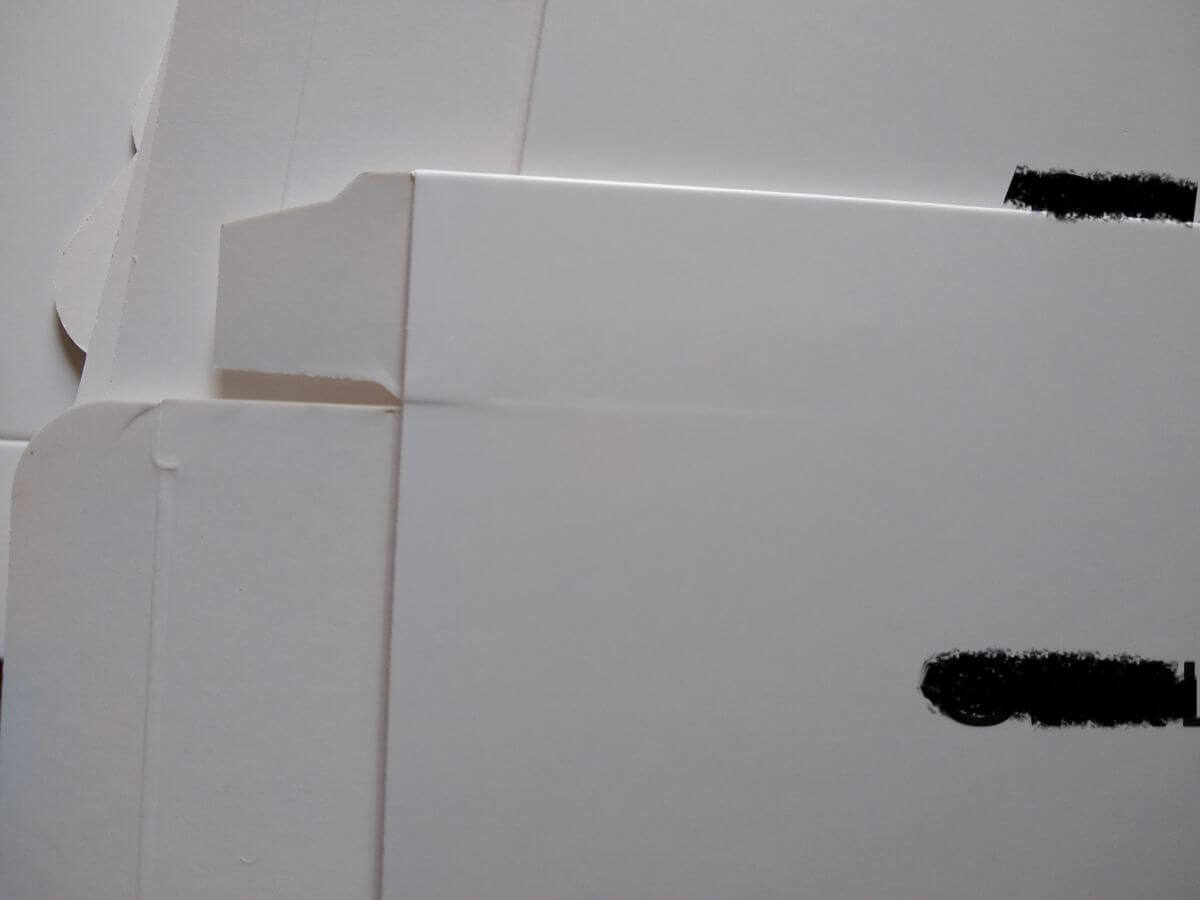
The press mark as it appears on the box surface.
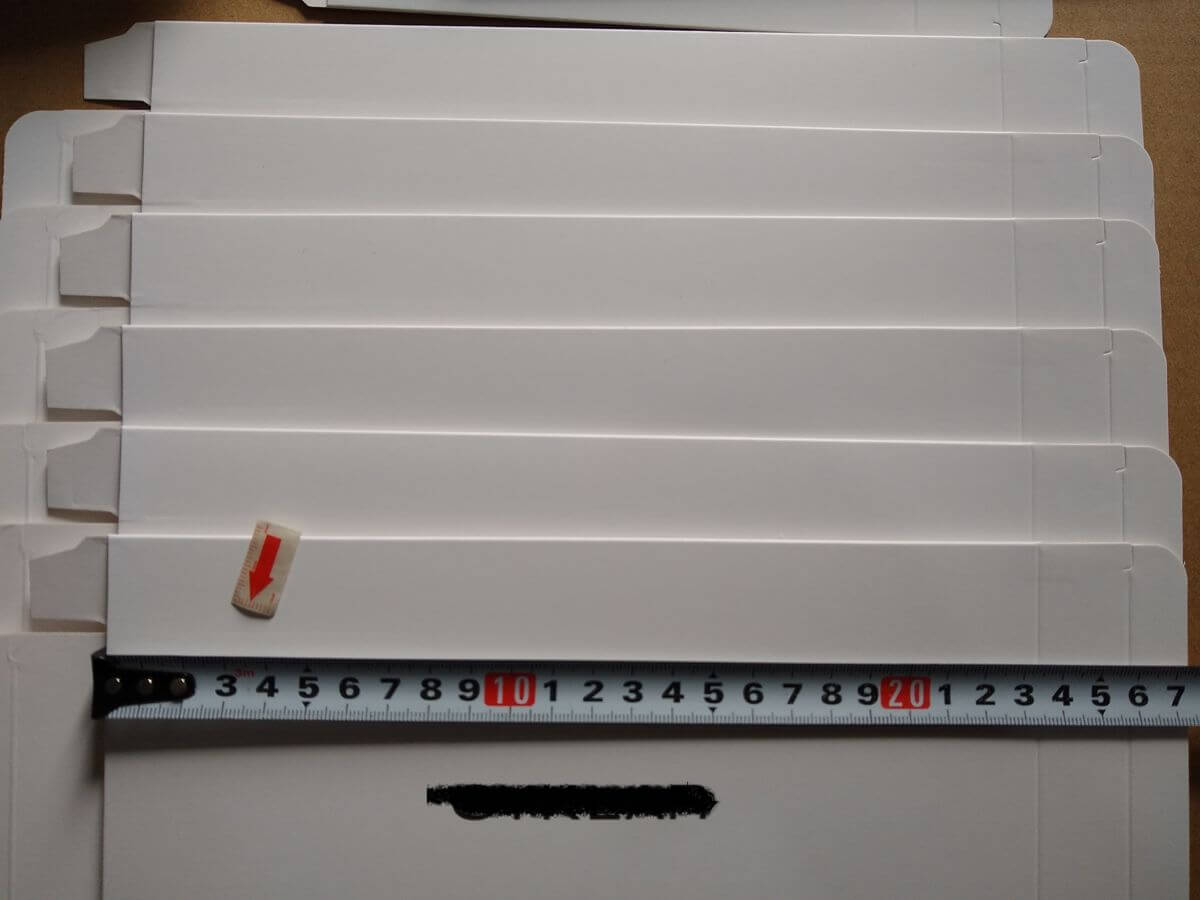
Multiple press marks visible on a single box.
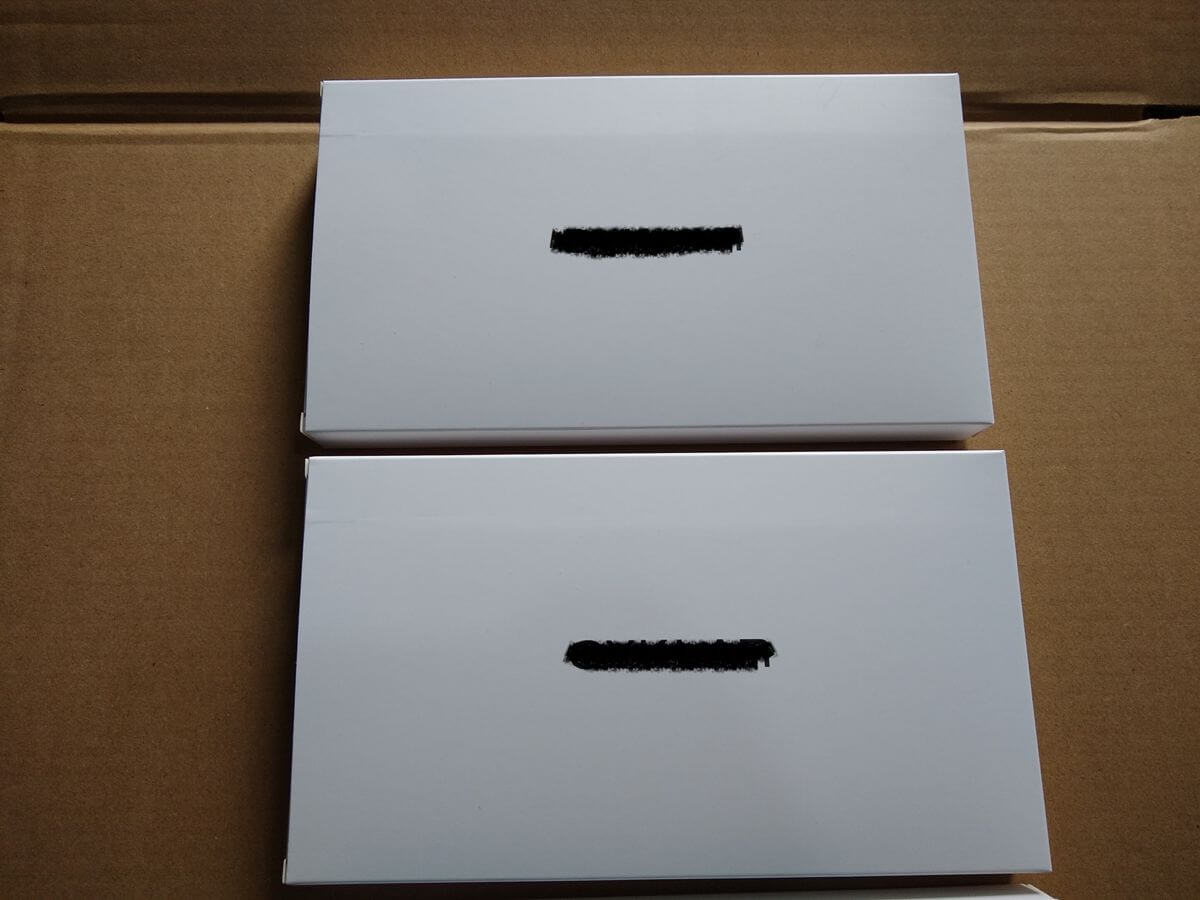
Side-by-side comparison: (Left) Box without press mark, (Right) Box with press mark.
Close-up showing the indentation caused by stacking pressure.
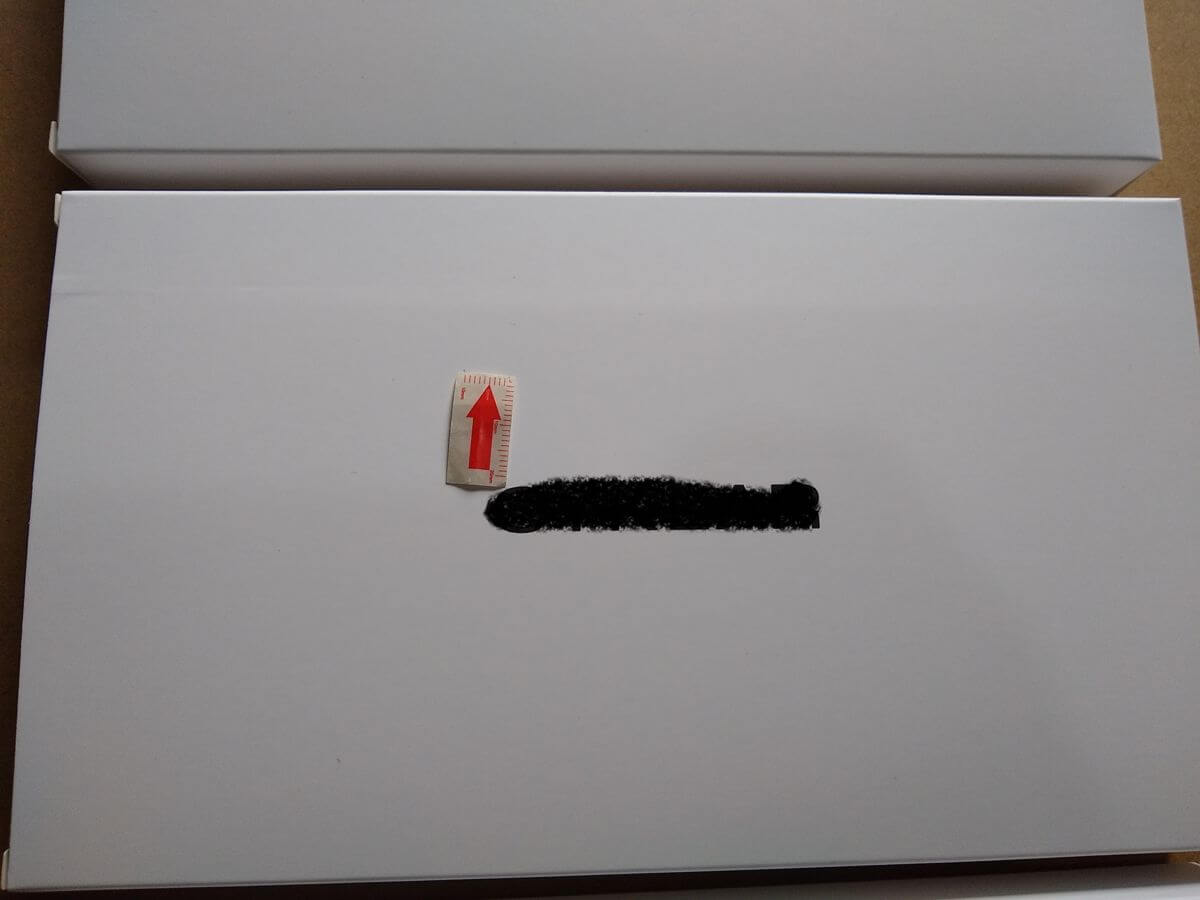
The press mark at the folded joint, where multiple layers of paperboard create a pressure point.
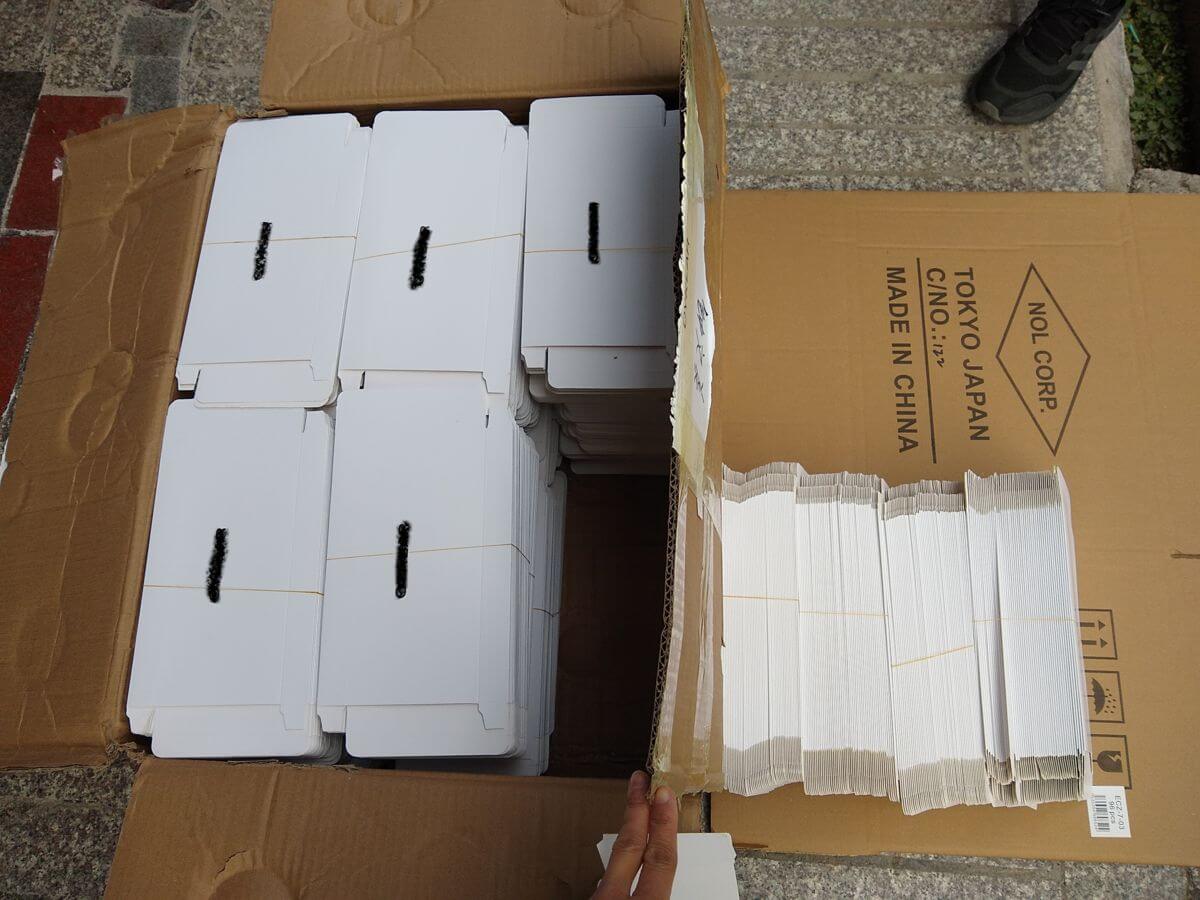
The boxes as they were packed and stacked — without protective measures between them.
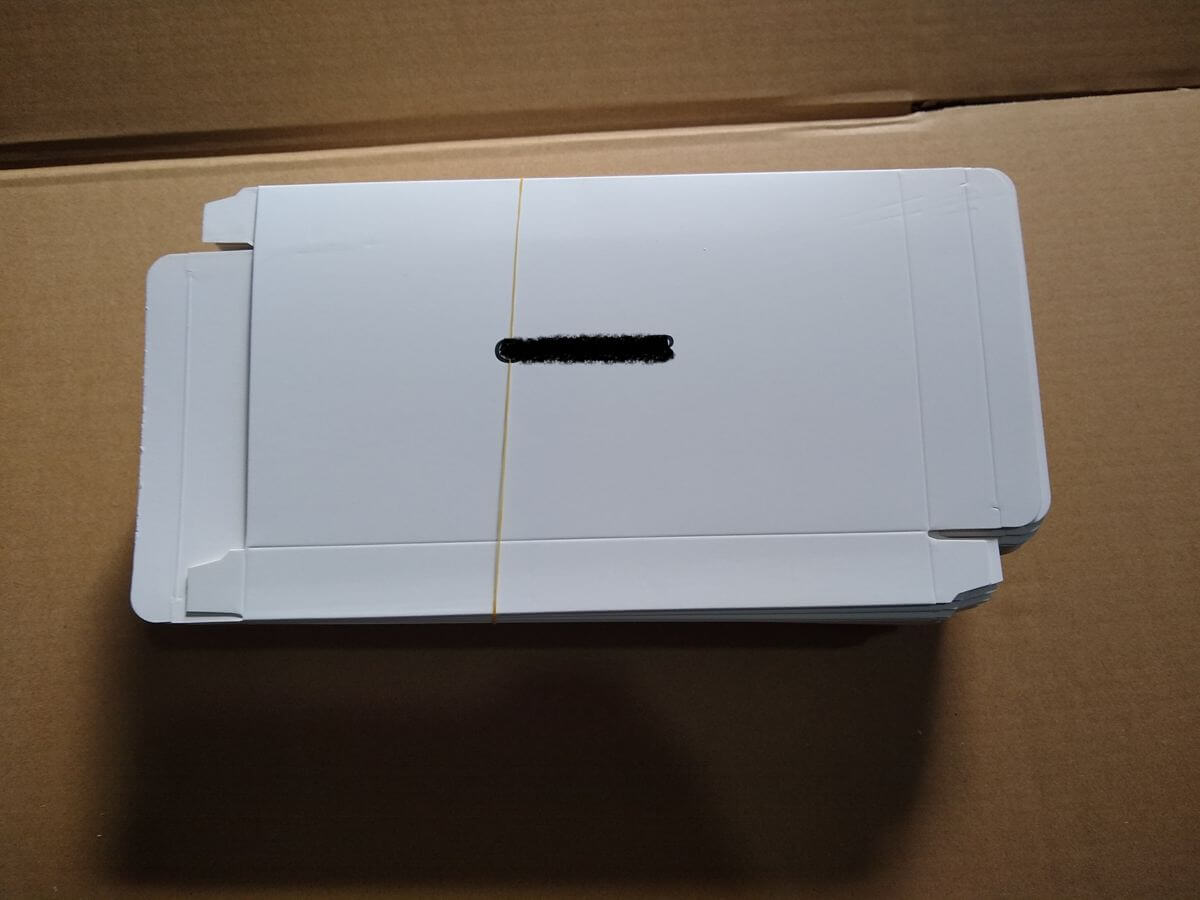
Another view of the stacking method that caused the press marks.

The stacking configuration that concentrated pressure on the folded joints.
Stacked boxes in storage — extended stacking time made the press marks worse.

Final packing view showing the lack of protection between stacked boxes.
Rework Effort & Risk Assessment
| Evaluation Metric | Rating | What It Means |
|---|---|---|
| Frequency | ⭐⭐⭐⭐⭐ | Very High. Press marks are common when boxes are stacked without protective measures and left under pressure for extended periods. |
| Rework Difficulty | ⭐⭐⭐⭐⭐ | Nearly Impossible. Press marks are permanent indentations that cannot be repaired. The affected boxes must be scrapped and re-printed. |
| Rework Collateral Risk | ⭐⭐⭐⭐⭐ | Extreme. Attempting to “fix” a press mark (e.g., by applying heat or pressure) usually damages the box further. The scrap rate is nearly 100%. |
The Bottom Line: Lessons for Your Next Order
This case study is part of our ongoing effort to share real, on-the-ground inspection findings with buyers, brand owners, and sourcing professionals. The goal is simple: help you understand what can go wrong in production — and how to prevent it before it costs you time, money, and reputation.
This case is a reminder that even the simplest products can have hidden defects. The factory dismissed the need for inspection because the boxes were “just simple white boxes.” But that attitude is exactly why the defect occurred — and exactly why inspection is necessary.
Key takeaway: Don’t let anyone tell you that “simple” means “no problems.” The most overlooked defects are often the ones that cause the most damage to your brand’s reputation.
We hope these real case studies help you ask better questions, set clearer standards, and catch more issues before they ship.
🔍 Looking for reliable product inspection service in China?
With 17 years of on-site QC experience, we can help you catch these issues before they ship at $168/man-day.
Learn more →