Product Leakage - Inspection Finding
This defect was found during our pre-shipment inspection services for slime bags. It is a typical and recurring packaging issue, so we have documented it here as a reference to help you brief your supplier before mass production.
During our inspection, we encountered this critical sealing failure. We are sharing this analysis to provide you with a clearer understanding of the root cause and the required corrective actions to secure your product quality standard.
| Finding Analysis | Details |
|---|---|
| Product | Slime bag |
| Defect | Product leakage through thread clearance |
| Root Cause | Incomplete closure of the lid thread, leaving a gap for slime to leak out. |
| Corrective Action | Ensure the lid is tightened completely during the sealing process. Implement a torque check or visual inspection to verify full closure. |
| Frequency | ⭐⭐⭐ ☆ ☆ |
| Rework Difficulty | ⭐⭐ ☆ ☆ ☆ |
| Rework Collateral Risk | ⭐ ☆ ☆ ☆ ☆ |
Inspection Photos
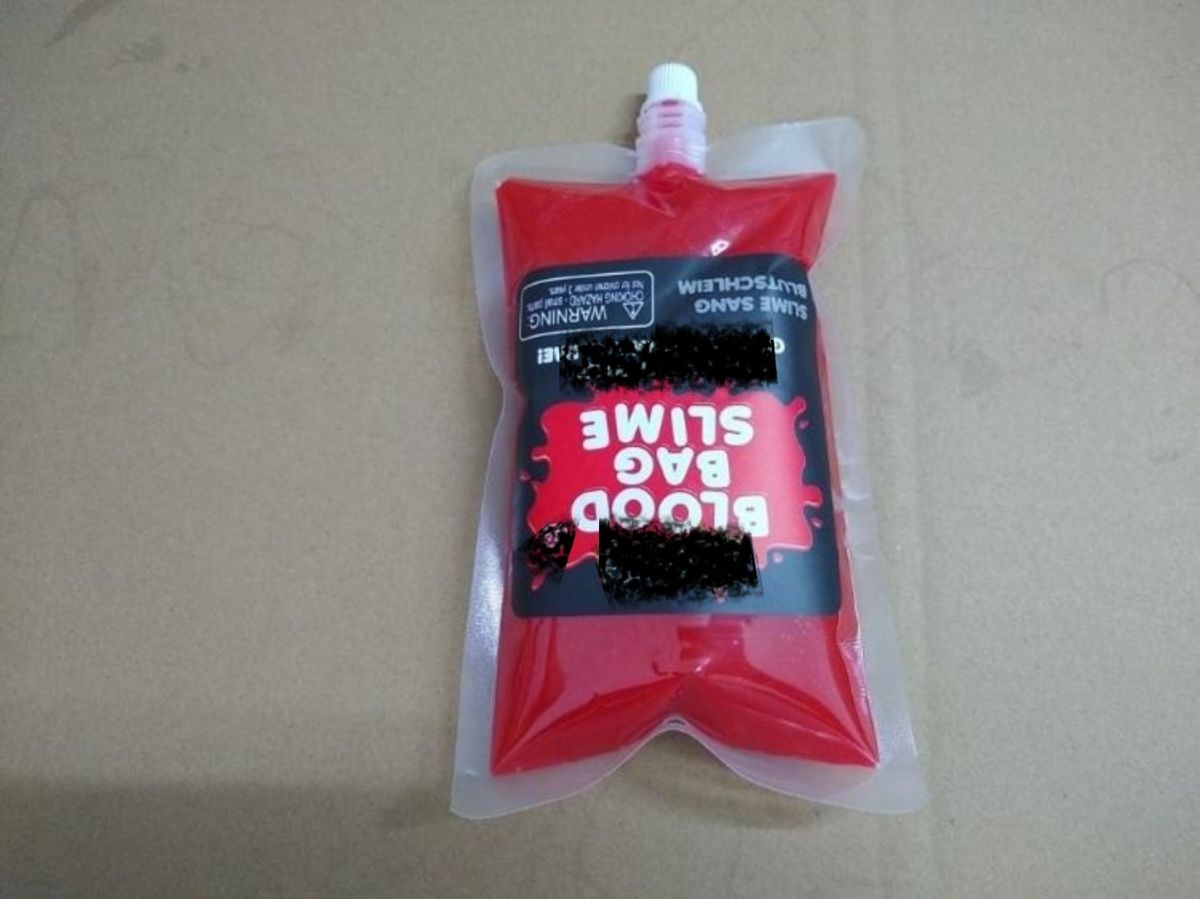
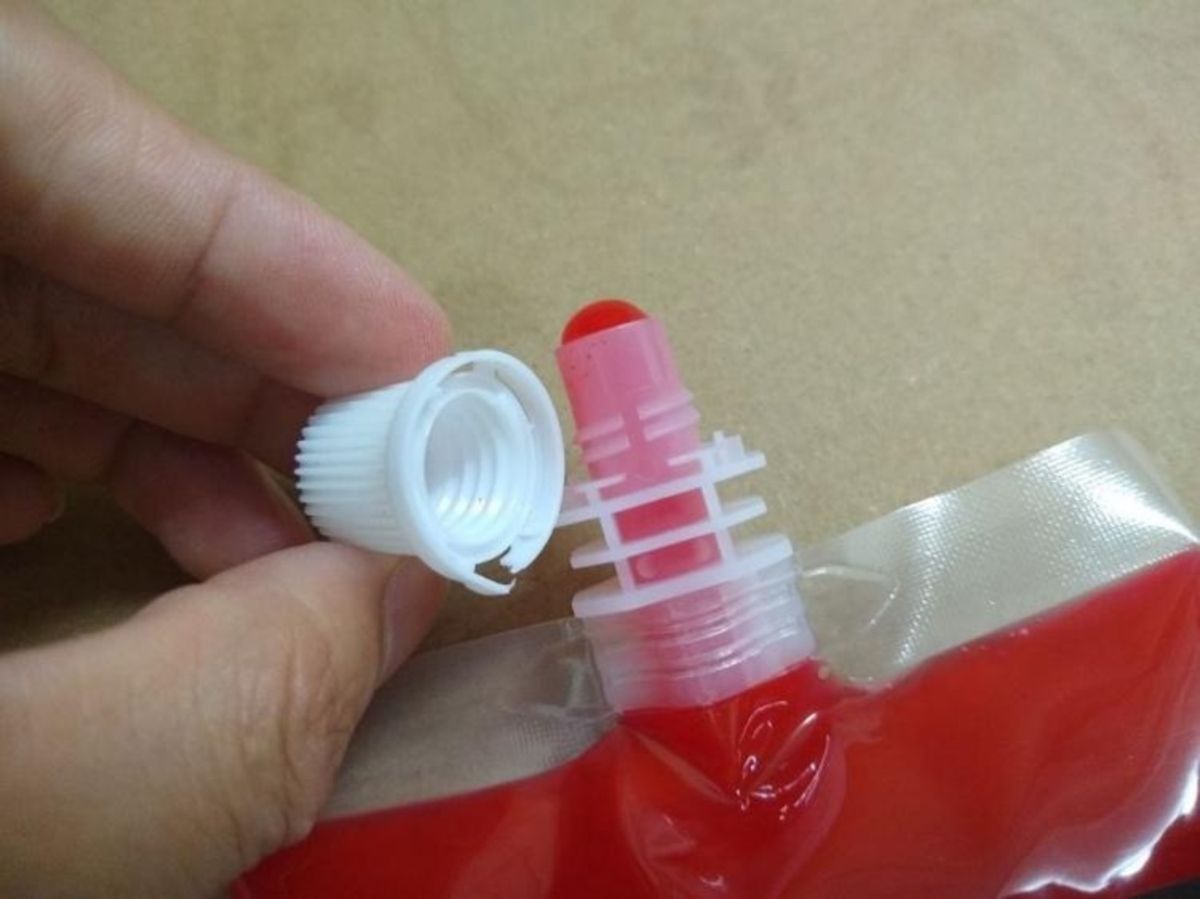
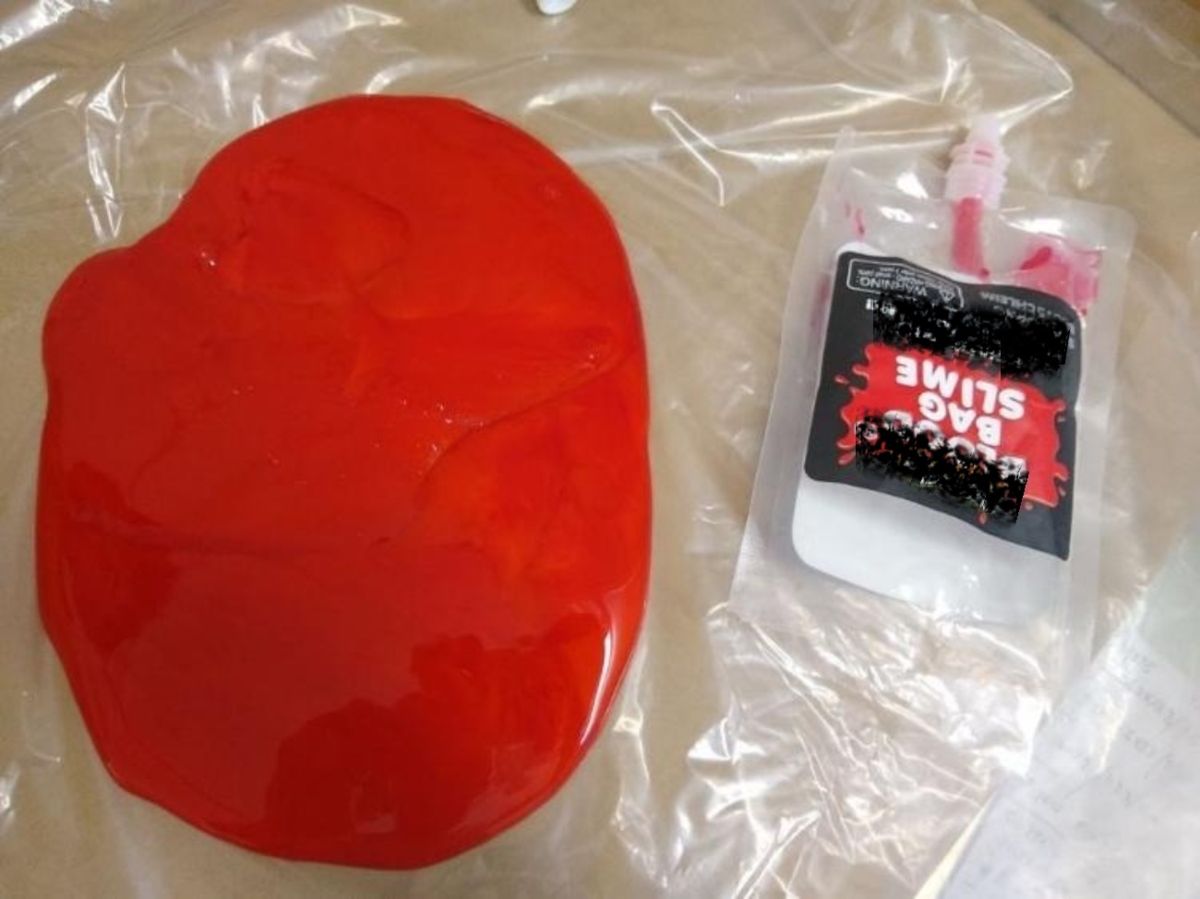
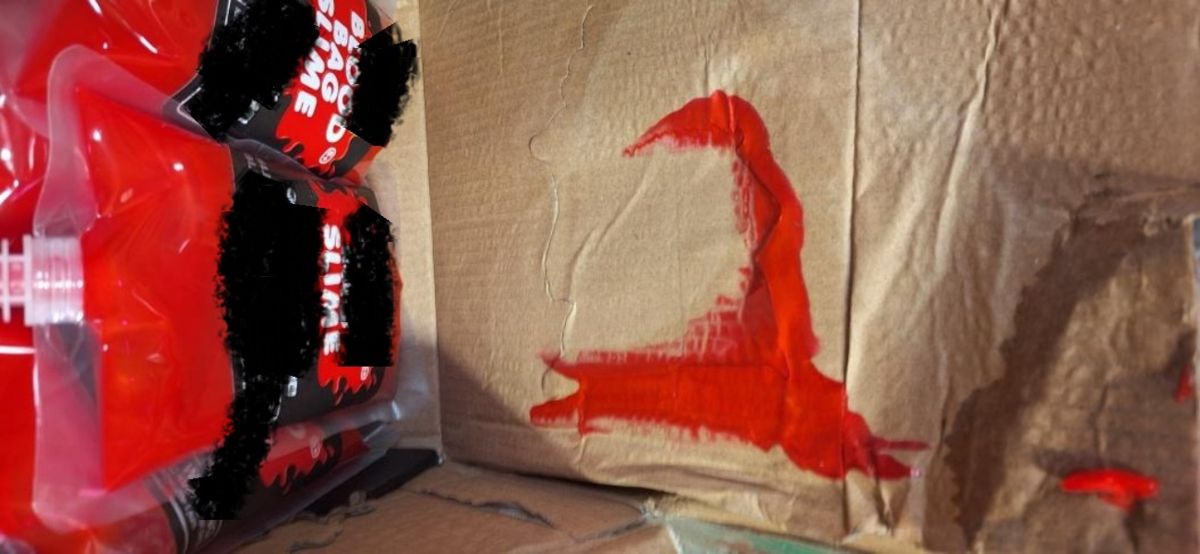
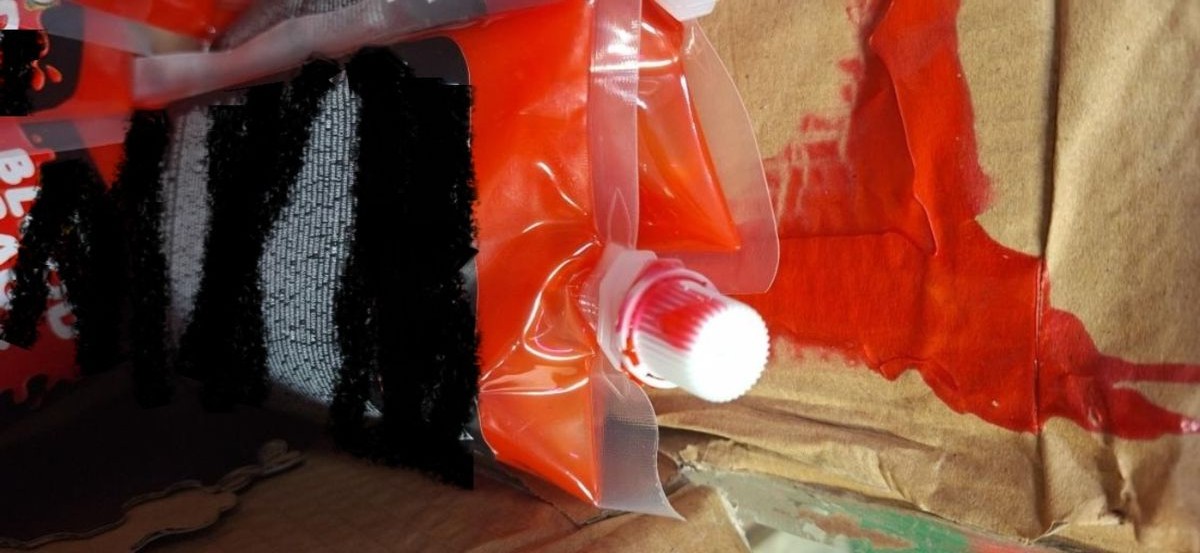
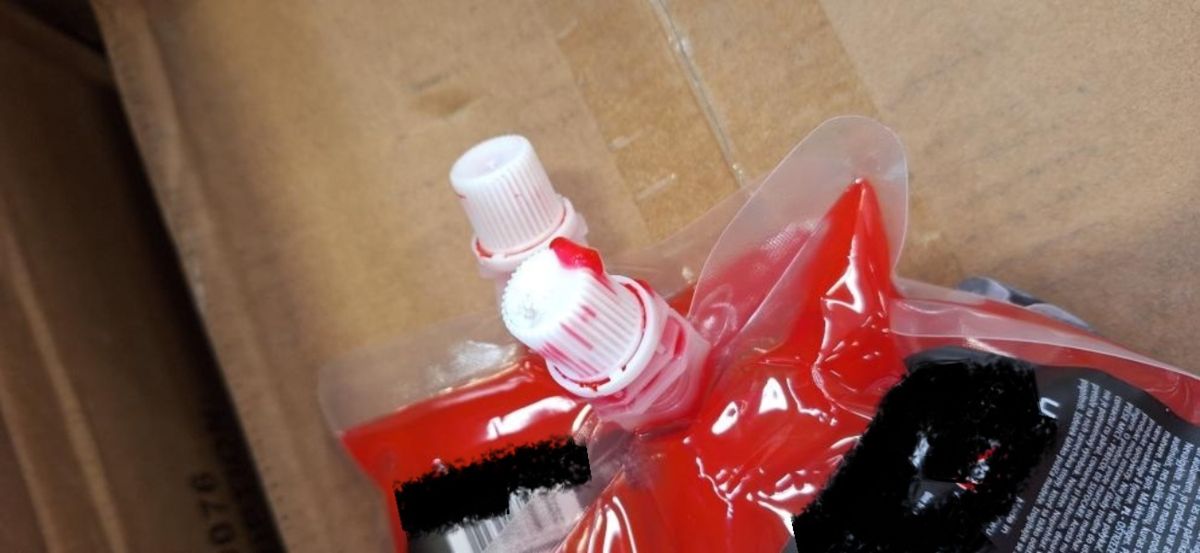
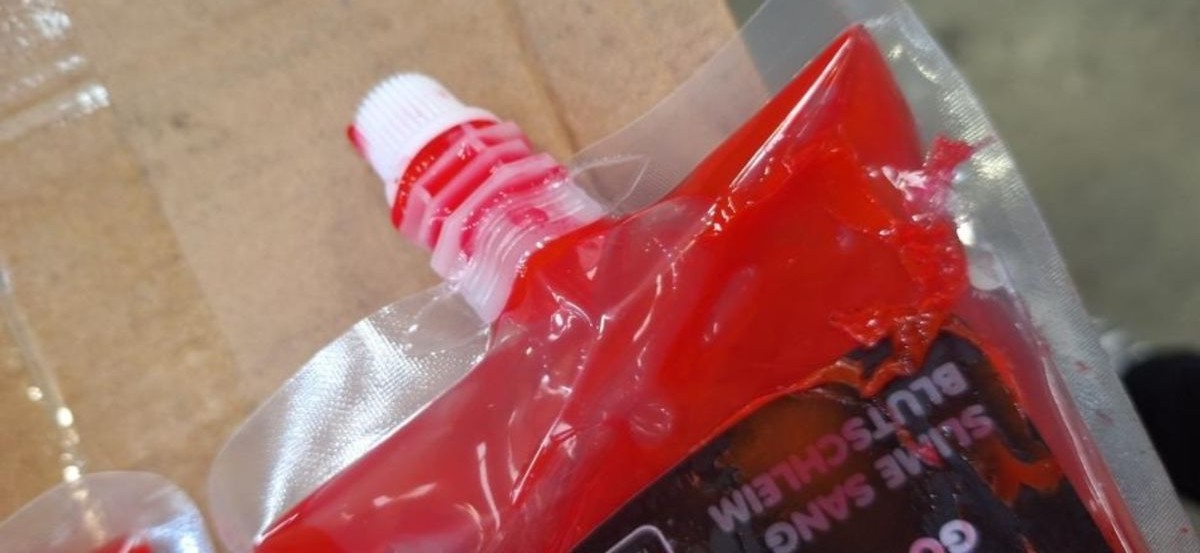
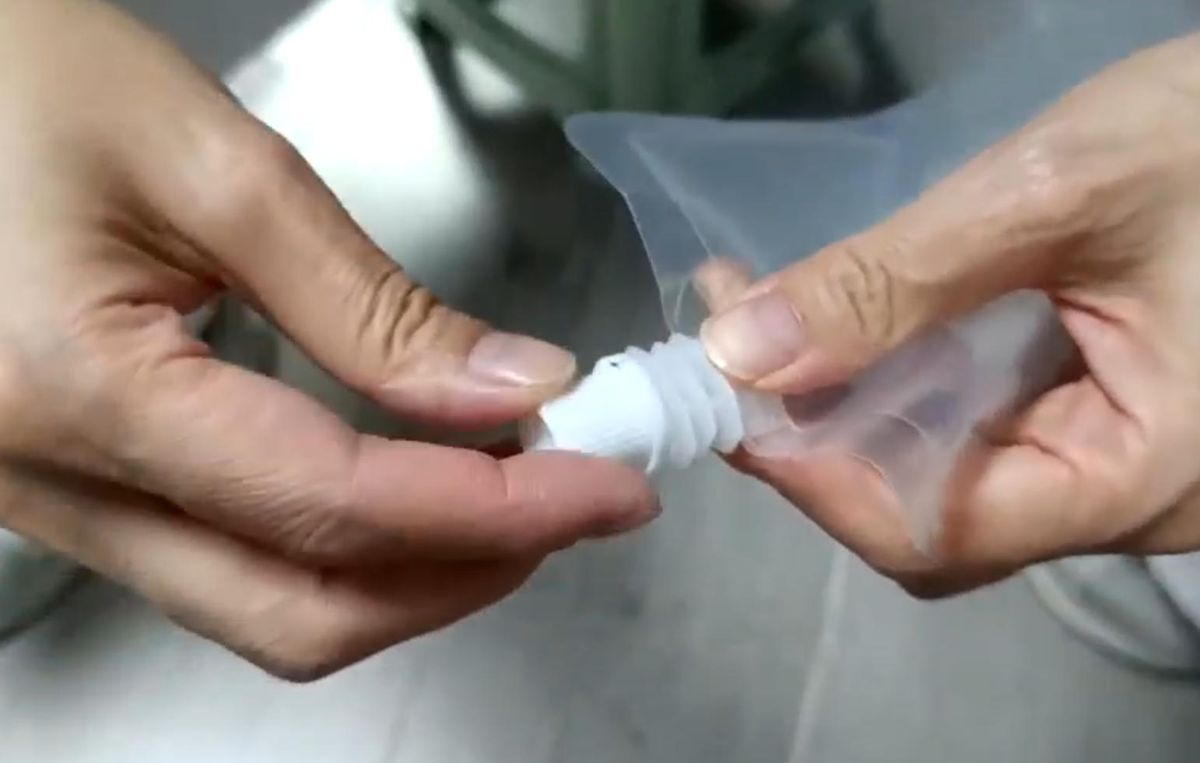
Thread Clearance – Incomplete Closure (Defect)
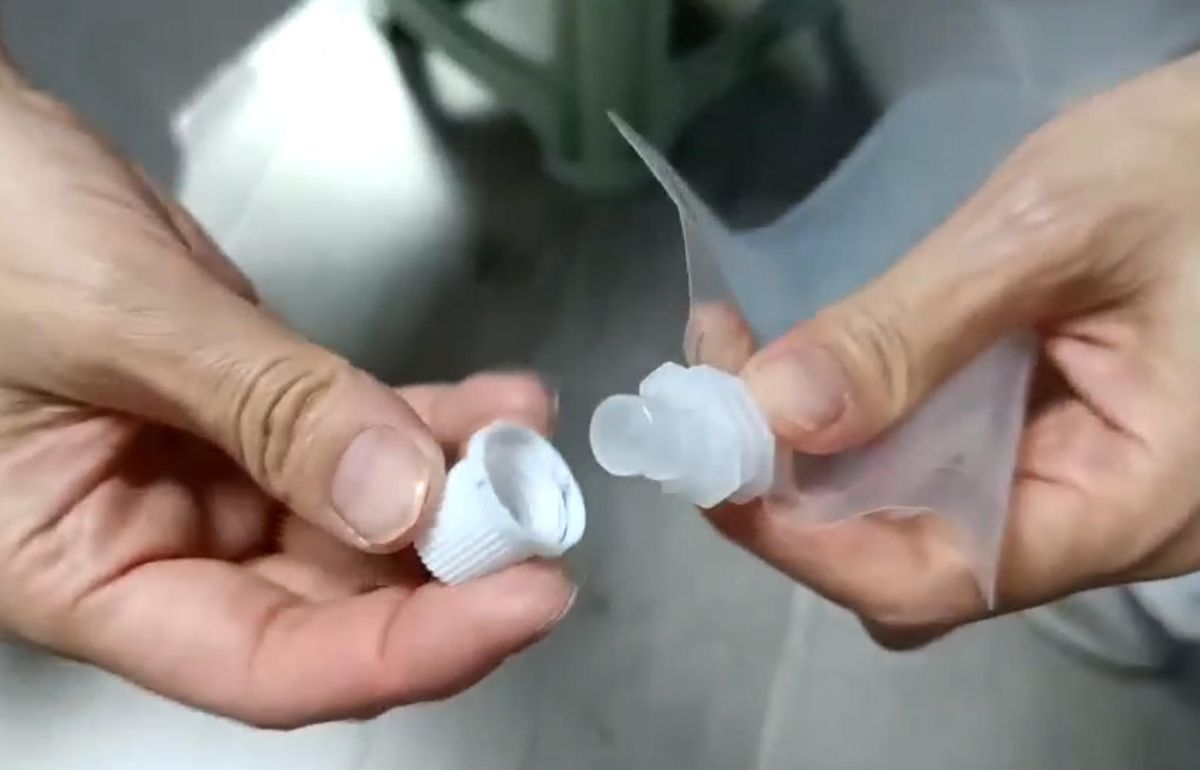
Lid is easy to remove, indicating thread clearance.
Complete Closure – Correct Seal (Reference)
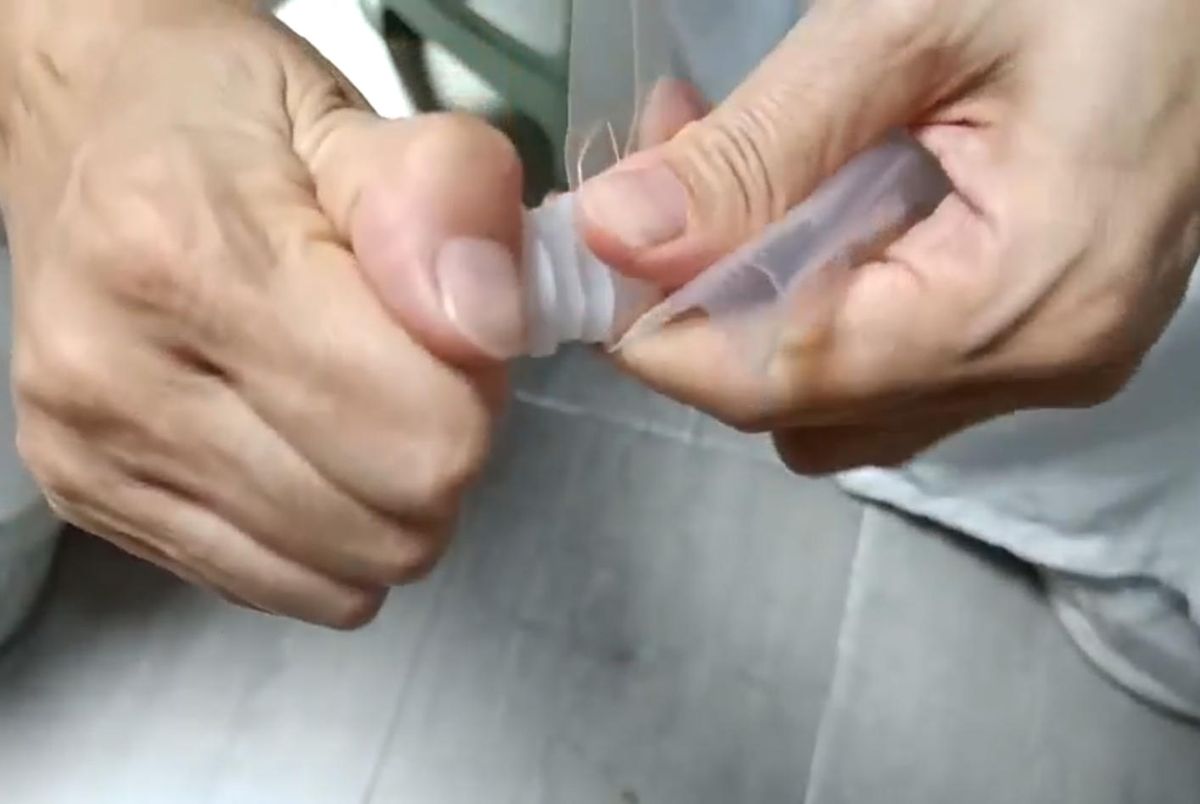
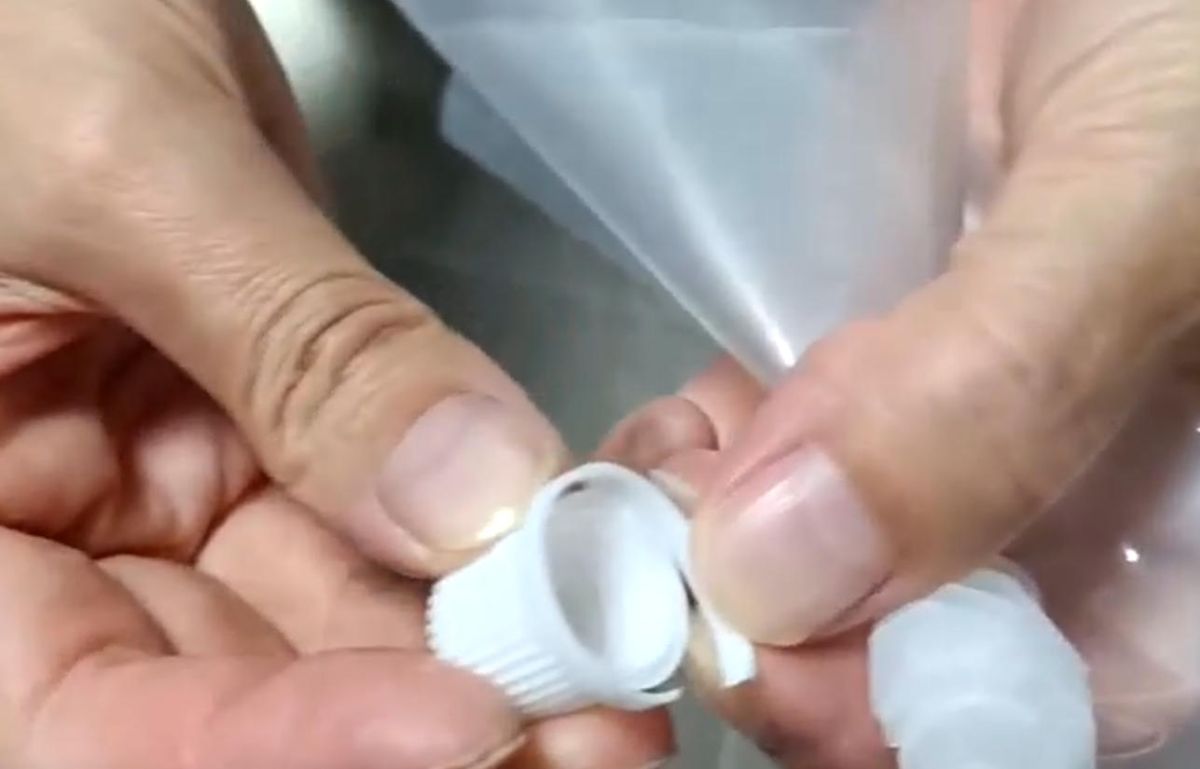
Lid is tight and will break if forced — correct sealing.
💡 QC Insight for Buyers
In packaging, “tight enough” is not a standard — it must be verifiable. A lid that is easy to remove indicates thread clearance, which means the product is vulnerable to leakage during transit.
When briefing your supplier, don’t just ask them to “close the lid well.” Explicitly request a torque test or a visual closure check as part of the pre-shipment inspection. This simple step eliminates the risk of leakage and protects your product from damage — one of the most common and preventable issues we catch during inspections.
🔍 Looking for reliable product inspection service in China?
With 17 years of on-site QC experience, we can help you catch these issues before they ship at $168/man-day.
Learn more →