Behind the Case: A Case from the Field
This inspection took place at the same factory from our previous case — the one that claimed to be *”one of the China’s top three manufacturers of outdoor metal sheds and plastic sunrooms.”*
During our previous visit, we caught a major issue regarding a sharp exposed metal edge. When we arrived this time, the factory’s tone had completely changed. The sales representative was far more humble, sharing that their technical department had specifically called a special engineering meeting based on our last QC report to revise their future designs and prevent similar hazards. They genuinely thanked us for the feedback.
However, a professional inspection never lets its guard down based on compliments.
As we moved into sampling, unboxing, accessory validation, and actual test assembly, we caught this new, separate defect. The sales rep was shocked and immediately summoned the head technician to the floor. Upon examining the flaw, the factory technician shook his head, gave our inspector a literal thumbs-up, and remarked:
*”Last time, I thought you were just professional. Now I see you are not just professional, but incredibly meticulous—professional meticulousness, and meticulous professionalism!”*
The Hard Lesson: Fixing one problem doesn’t mean fixing all problems. A factory can address a specific defect and still have other blind spots. Only independent, thorough inspection — by someone who knows exactly where to look — can catch what everyone else misses.
Defect Analysis
| Finding Analysis | Details |
|---|---|
| Product | Metal garden shed |
| Defect | Sharp point — a protruding sharp tip created by improper crossbeam assembly |
| Root Cause | Two crossbeam pieces were overlapped and assembled instead of utilizing a single, complete crossbeam, creating a sharp protruding point at the overlap joint. |
| Corrective Action | 1) Use a single complete crossbeam (consider packaging constraints); 2) Secure the joint with a screw to eliminate the sharp point. |
| Frequency | ⭐⭐⭐⭐⭐ |
| Rework Difficulty | ⭐⭐☆☆☆ |
| Rework Collateral Risk | ⭐☆☆☆☆ |
What Is a “Sharp Point” and Why Does It Matter?
A “sharp point” is different from a “sharp edge.” While a sharp edge runs along a surface, a sharp point is a localized protrusion — a tip or corner that can puncture or stab.
In the context of a garden shed, a sharp point can cause:
- Puncture wounds — during assembly or if a user leans against the wrong spot
- Torn skin or clothing — especially for children playing near the shed
- Eye injury risk — if the point is at head or face height
Unlike scratches or cosmetic defects, sharp points are safety hazards — and safety hazards are non-negotiable.
Root Cause Analysis: Why Did This Happen?
1. An Assembly Shortcut
Instead of using a single, complete crossbeam (which would require longer packaging), the factory used two shorter pieces and overlapped them. This created a natural protrusion at the overlap point — a sharp tip sticking out.
2. Packaging Constraints Drove the Decision
The likely reason for using two pieces instead of one is packaging efficiency. A single long crossbeam would require a larger carton, increasing shipping costs. The factory chose the cheaper packaging option — without considering the safety risk it created.
3. The “We Fixed One Thing” Blind Spot
After the previous inspection, the factory’s technical team focused on eliminating sharp edges. They assumed that fixing that one issue meant their quality was now bulletproof. But they never looked at sharp points — a different category of defect, requiring a different set of eyes.
4. No Pre-Production Assembly Sample Was Inspected
If the factory had assembled a single sample before mass production — and had someone with the right expertise check it — this defect would have been caught immediately. Instead, it went unnoticed until the inspection.
How to Prevent This in Your Orders
Immediate Corrective Action (For This Batch)
- Stop shipment — Do not ship any units with sharp points.
- Identify all affected units — Inspect every assembled shed for the sharp point defect.
- Apply a fix — Secure the overlap joint with a screw to eliminate the protrusion, or replace the two-piece crossbeam with a single complete beam.
Long-Term Preventive Measures
| Measure | Description | Effectiveness |
|---|---|---|
| Single Complete Crossbeam | Specify in your engineering drawings that crossbeams must be single pieces, not two overlapped pieces. | ⭐⭐⭐⭐⭐ |
| Pre-Production Assembly Sample | Require a fully assembled sample before mass production — and have it inspected by someone who knows what to look for. | ⭐⭐⭐⭐⭐ |
| Sharp Point Check | Add “sharp points” to your inspection checklist — separate from “sharp edges.” | ⭐⭐⭐⭐⭐ |
| Packaging vs. Safety Trade-off | Evaluate whether packaging cost savings are worth the safety risk. In this case, they weren’t. | ⭐⭐⭐⭐ |
| Supplier Training | Educate your supplier on the difference between sharp edges and sharp points — and the risks of both. | ⭐⭐⭐ |
💡 QC Insight for Buyers
For procurement professionals and brand owners sourcing metal structures:
“Sharp edge” and “sharp point” are not the same thing. A factory can fix one and completely miss the other. Make sure your inspection checklist covers both.
Packaging constraints often drive bad design decisions. When a factory uses two pieces instead of one, ask why. The answer is usually “cheaper packaging” — but the cost of a safety incident is far higher.
Pre-production assembly samples are non-negotiable. Do not allow mass production to start until a full sample has been assembled and inspected by a qualified professional.
Don’t assume “we fixed one thing” means “everything is fixed.” As this case shows, fixing a specific defect doesn’t mean the factory has eliminated all defects. Independent, thorough inspection is the only guarantee.
The “thorough” inspector is the one who saves you. The factory’s engineer said it best: *”Not just professional — thorough.”* That’s the kind of inspector you need on your side.
Inspection Photos
(Insert your actual inspection photos here with detailed captions.)
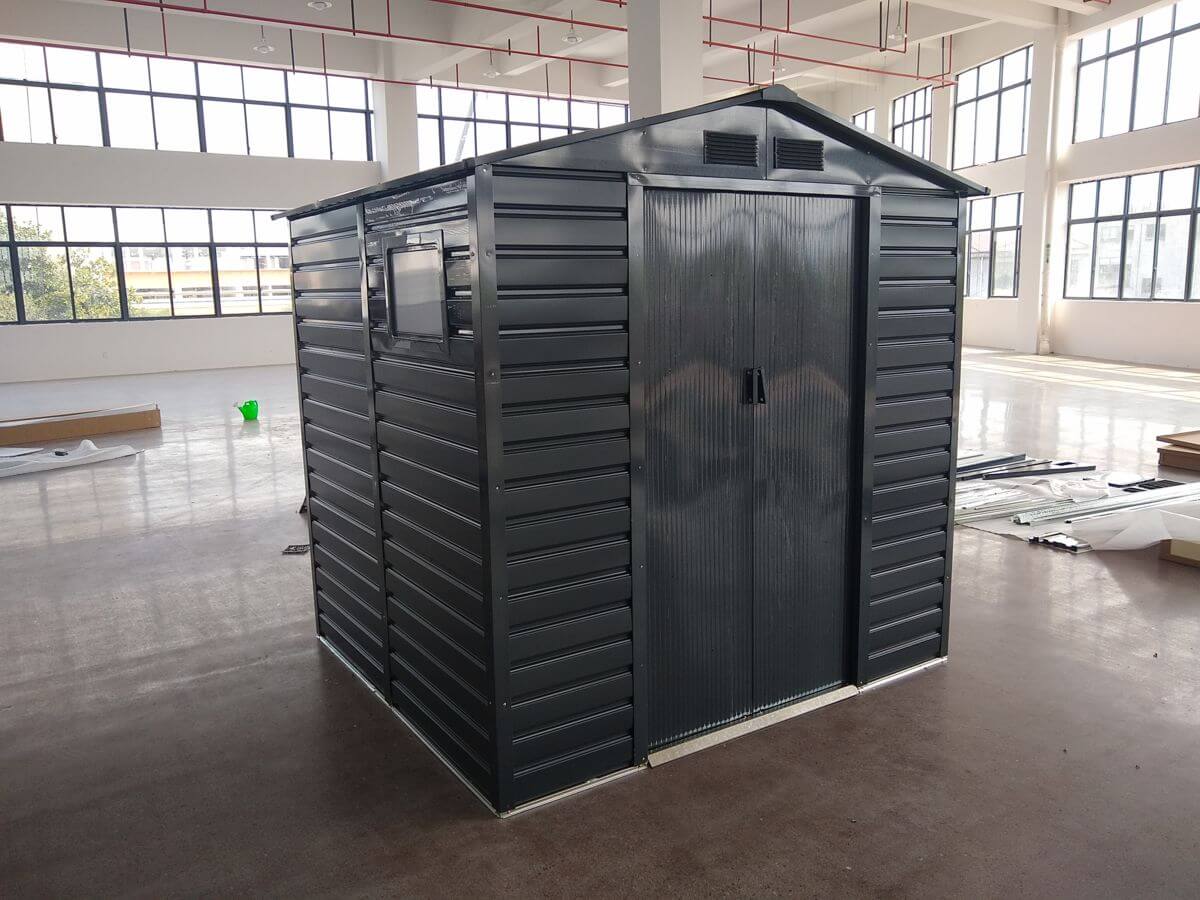
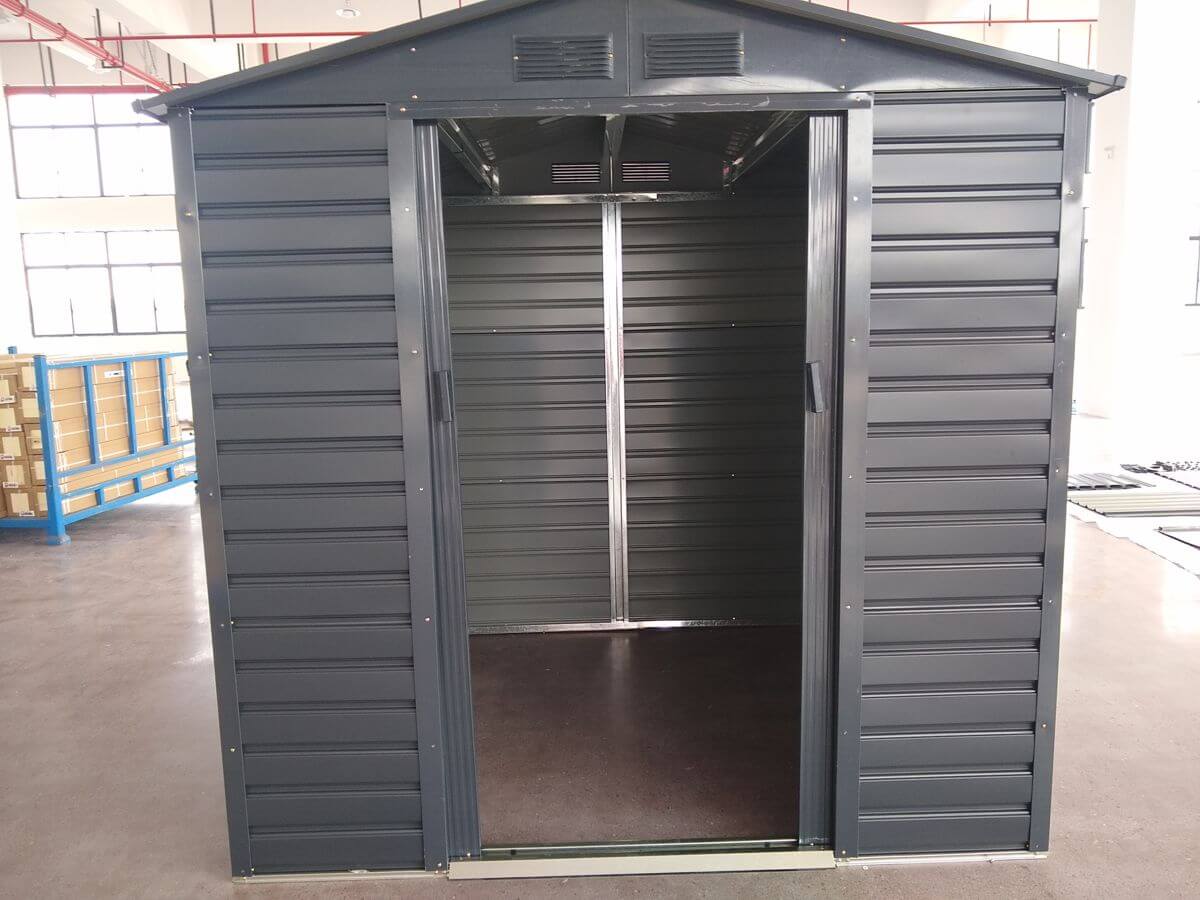
The shed panels and crossbeams laid out for assembly.
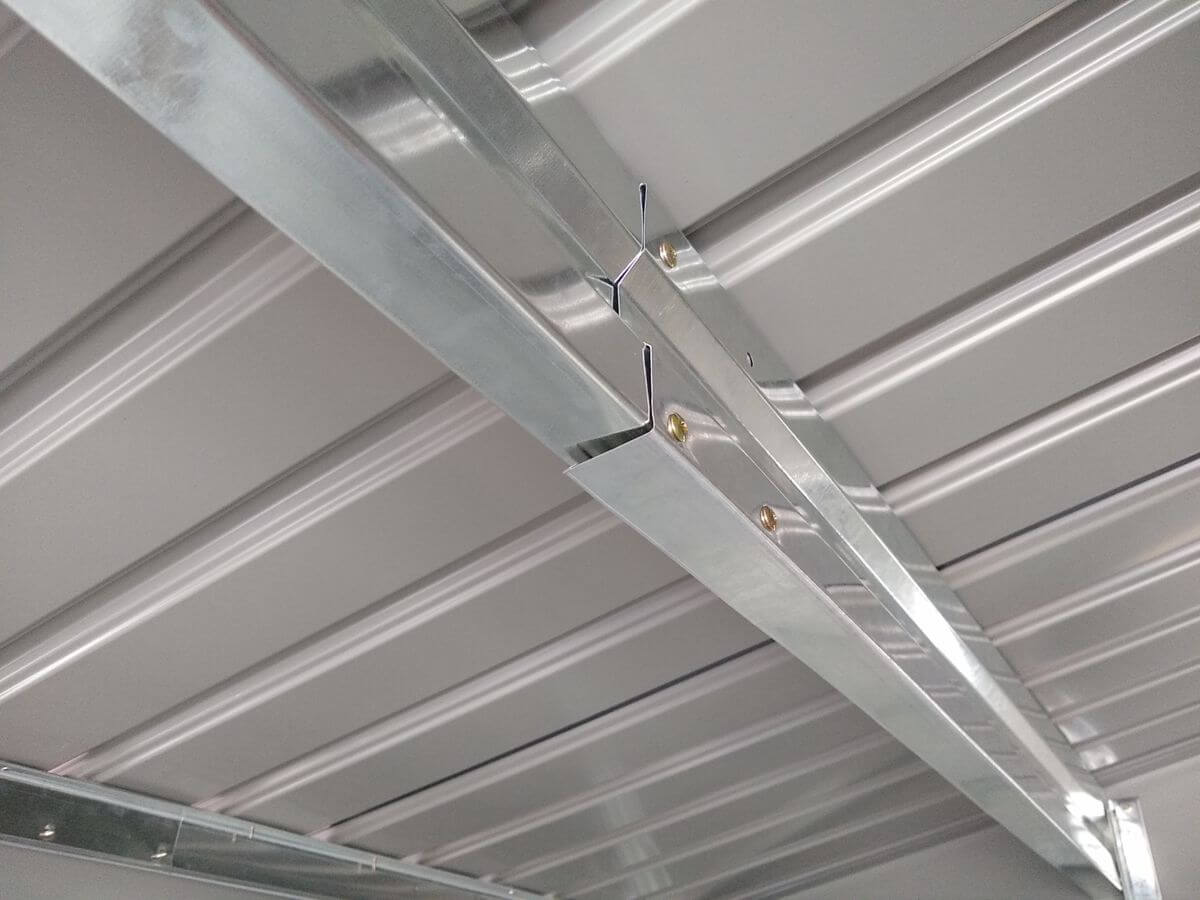
Close-up of the sharp point created by the overlapped crossbeam pieces.
The two crossbeam pieces overlapped instead of using a single complete beam.
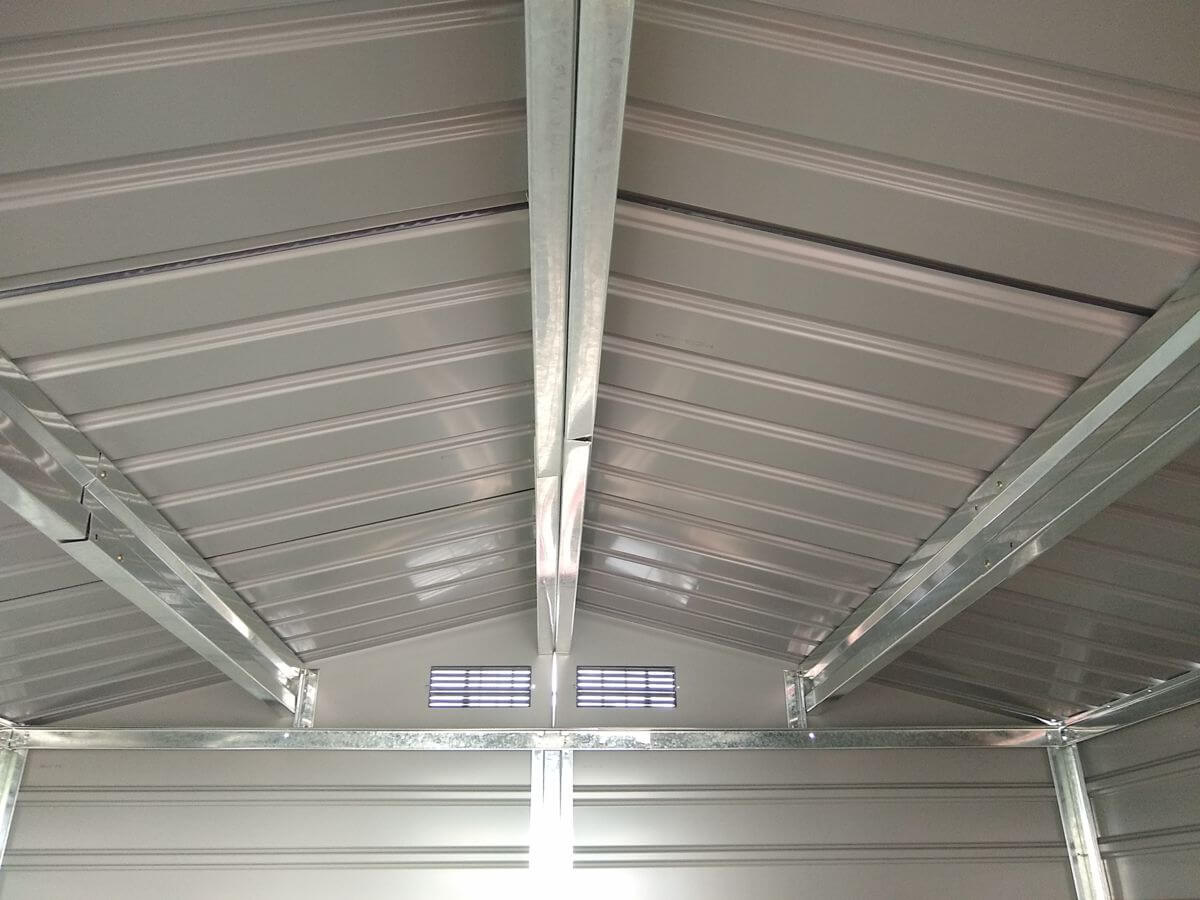
The sharp protrusion as seen from inside the shed structure.
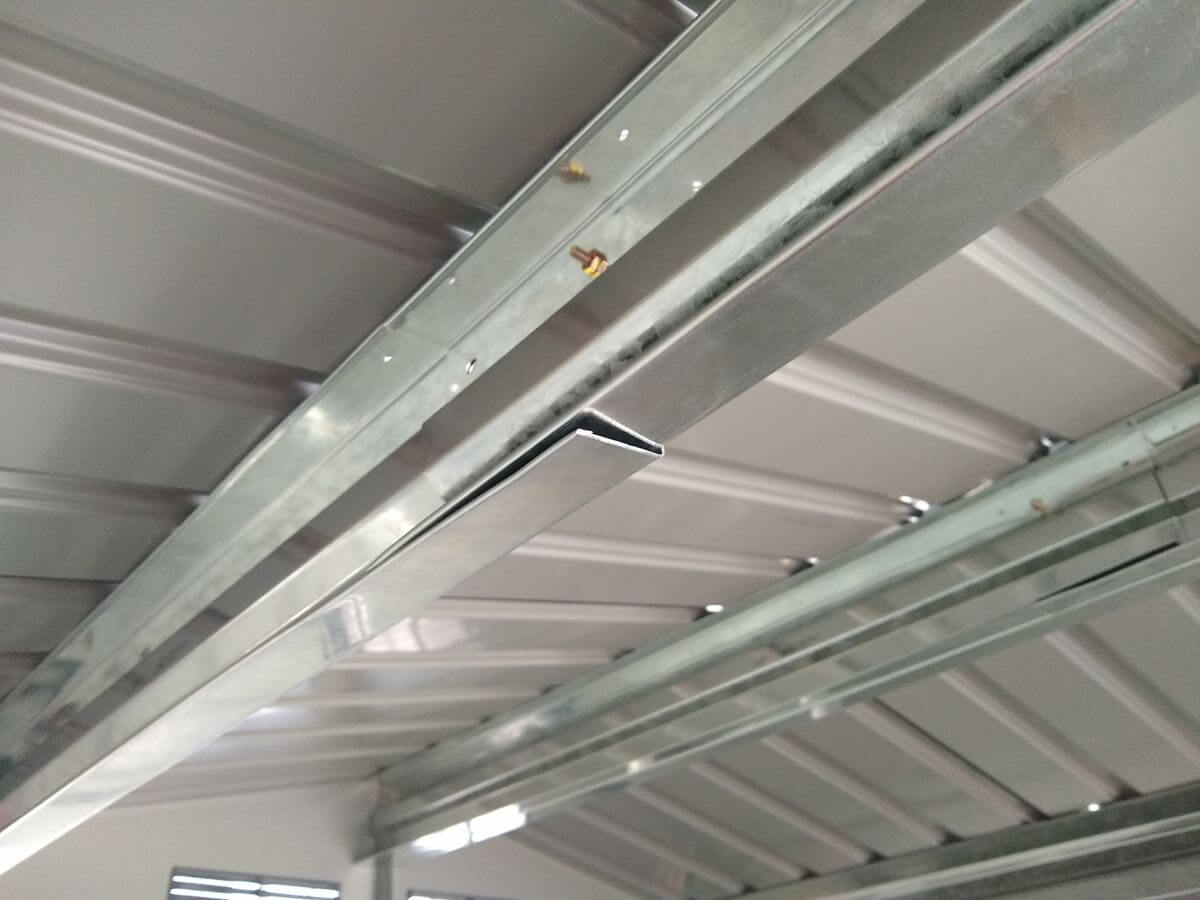
Detail showing how the overlap creates a protruding tip.
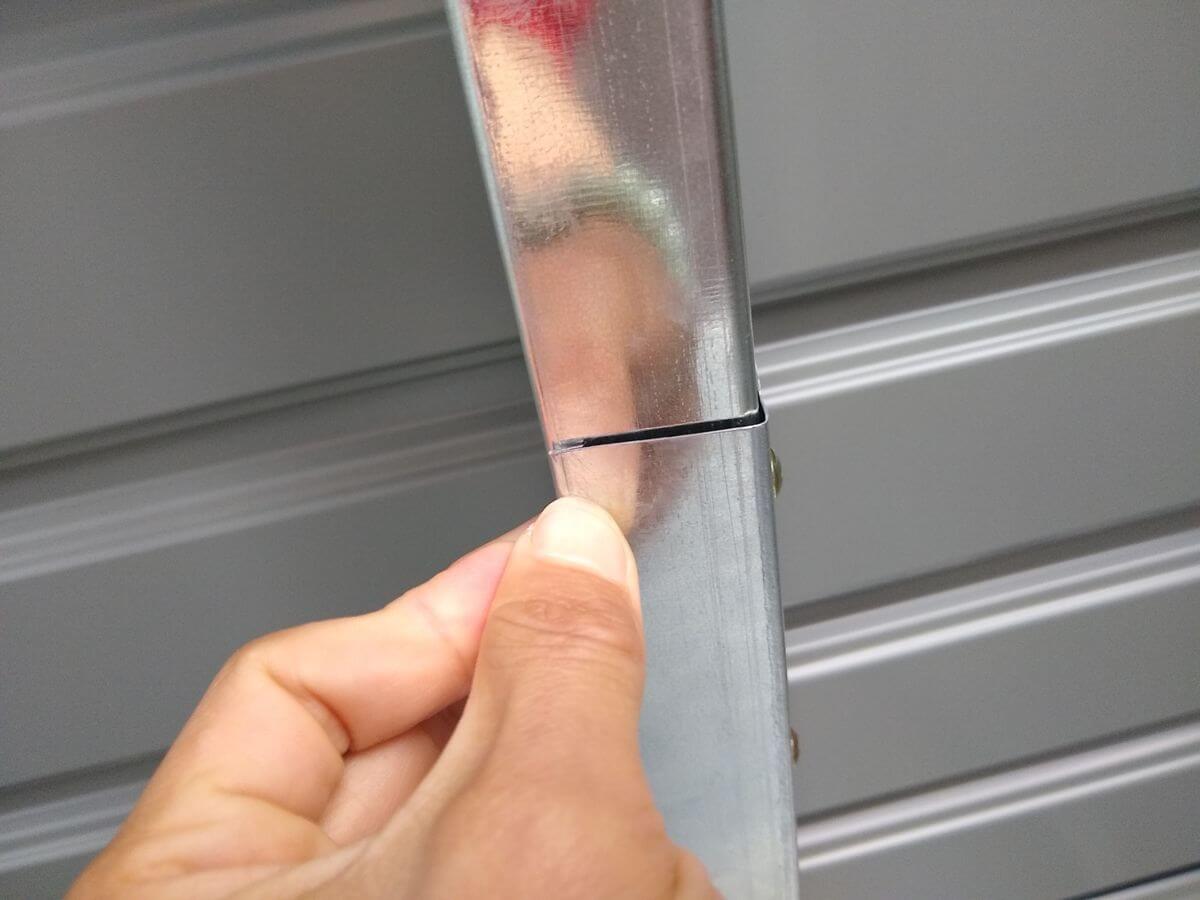
Reference image showing the correct assembly method using a single crossbeam.
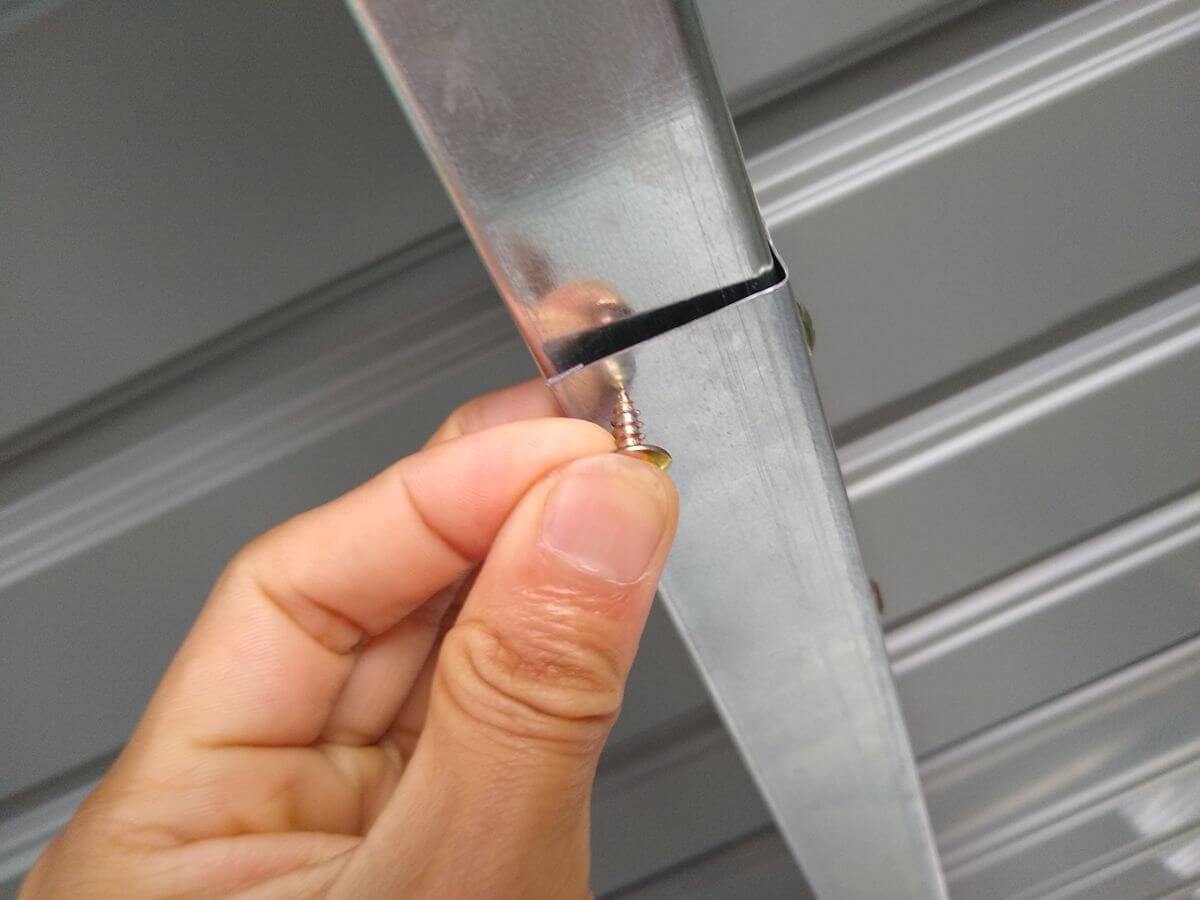
Use a screw to nail fixing it
Rework Effort & Risk Assessment
| Evaluation Metric | Rating | What It Means |
|---|---|---|
| Frequency | ⭐⭐⭐⭐⭐ | Very High. This defect is common when factories prioritize packaging efficiency over structural safety. |
| Rework Difficulty | ⭐⭐☆☆☆ | Low to Moderate. Adding a screw to secure the joint or replacing the crossbeam is relatively simple — but time-consuming across a large batch. |
| Rework Collateral Risk | ⭐☆☆☆☆ | Very Low. The rework fix (screw or replacement) does not typically damage the product. |
The Bottom Line: Lessons for Your Next Order
This case study is part of our ongoing effort to share real, on-the-ground inspection findings with buyers, brand owners, and sourcing professionals. The goal is simple: help you understand what can go wrong in production — and how to prevent it before it costs you time, money, and reputation.
This case is particularly instructive because it shows how a factory can fix one problem and still have another blind spot. The technical team had addressed the sharp edge issue from the previous inspection — but they never thought to look for sharp points. They assumed “one fix” meant “all fixed.”
That assumption is dangerous. Quality is not a single checkbox — it’s a continuous process of looking, finding, and fixing. And the best way to ensure nothing is missed is to have an independent, thorough inspector who knows exactly where to look.
Key takeaway: Don’t assume that because a factory fixed one issue, they’ve fixed everything. The most dangerous defects are often the ones nobody has thought to look for yet.
We hope these real case studies help you ask better questions, set clearer standards, and catch more issues before they ship.
🔍 Looking for reliable product inspection service in China?
With 17 years of on-site QC experience, we can help you catch these issues before they ship at $168/man-day.
Learn more →