Field Notes: “Too Cheap to Fail?”
Felt handbags are incredibly popular in Western markets for promotional giveaways, especially for female-focused subscription boxes and service brands. They offer a low-cost, high-premium aesthetic because synthetic felt is cheap to source, easy to cut, and can hold highly saturated, vibrant colors.
However, because these are low-margin promotional items, factories often treat them with zero quality oversight.
When our inspector arrived on the factory floor, the plant manager was completely dismissive:
*”What is there to inspect on such a cheap, simple product? It’s just felt. It’s impossible to have defects. At most, you’ll find a few loose threads, and we already trimmed them all. Why don’t you sit down, take a break, snap a few random photos, and call it a day?”*
Our inspector politely declined, explained our standard operating procedures, and began the sampling. Within the first few batches, we uncovered two critical, systematic defects.
The factory team was left completely speechless, admitting:
*”We never even thought about this, let alone looked for it. You third-party engineers really know your stuff.”*
The Hard Lesson: The defects you don’t think about are often the ones that cause the most damage. And the factories that dismiss inspection are the ones most likely to have blind spots.
Technical Inspection Report
Defect Analysis
| Finding Analysis | Details |
|---|---|
| Product | Non-woven synthetic felt handbag (promotional gift item) |
| Defect 1 | Fabric pierced by laser — holes burned through the felt |
| Defect 2 | Color leakage — dye bleeding from the fabric |
| Root Cause 1 | Laser cutting/engraving temperature too high, burning through the fabric |
| Root Cause 2 | Poor dyeing technique — unstable pigment that bleeds when exposed to moisture or friction |
| Corrective Action 1 | Avoid direct laser contact with fabric; adjust laser power and speed settings |
| Corrective Action 2 | Improve dyeing process — use colorfast dyes and proper fixation |
| Frequency | ⭐⭐⭐⭐☆ |
| Rework Difficulty | ⭐⭐⭐⭐⭐ |
| Rework Collateral Risk | ⭐⭐⭐⭐⭐ |
Engineering Risk Assessment
| Assessment Metric | Rating | What It Means |
|---|---|---|
| Frequency | ⭐⭐⭐⭐☆ | High. Both defects are common when factories use untested laser settings and low-quality dyes. |
| Rework Difficulty | ⭐⭐⭐⭐⭐ | Nearly Impossible. You cannot “un-burn” a laser hole or reverse chemical color leakage. Affected panels must be entirely scrapped. |
| Rework Collateral Risk | ⭐⭐⭐⭐⭐ | Extreme. Total sheet replacement leads to severe production delays, missed shipping windows, and material wastage charges. |
What Are “Laser-Pierced Fabric” and “Color Leakage” and Why Do They Matter?
Laser-Pierced Fabric: Synthetic felt is typically cut using CNC laser machines for speed and clean edges. However, laser engraving or cutting involves localized high temperatures. If the laser power is calibrated too high, or the moving speed is too slow, the heat accumulates and melts clean through the core fibers, piercing the fabric.
Color Leakage: When low-quality dyes are used, the color can bleed or transfer — especially when the bag comes into contact with moisture, sweat, or friction. This can stain clothing, hands, or other items the bag touches.
Why they’re critical defects: For a promotional gift item, the bag represents the brand. If the fabric has burn holes or the color rubs off on the recipient’s hands or clothes, the brand looks cheap and careless. The cost of the item may be low, but the reputational damage is high.
Root Cause & Engineering Solutions
Issue A: Fabric Pierced by Laser
The Cause:
- Laser power too high — The cutter was set to a power level appropriate for thicker materials, but too strong for thin felt.
- Laser speed too slow — The cutting head moved too slowly, allowing the laser to dwell on the fabric longer than necessary.
- No process testing — The factory used default settings without testing on the actual felt material.
The Solution: The factory must perform power-calibration tests on a scrap felt piece before the actual production run. Adjust the focal length and reduce laser intensity while utilizing an air-assist system to cool the cutting line instantly.
Issue B: Color Leakage / Bleeding
The Cause:
- Poor-quality dyes — The factory used inexpensive, unstable dyes that were not properly fixed to the felt fibers.
- Inadequate fixation process — Even with decent dyes, proper fixation (heat setting or chemical fixing) is required to lock the color into the fibers.
- No colorfastness testing — The factory never tested the fabric for colorfastness.
The Solution: Enforce strict incoming material inspection (IQC). Run a mandatory crocking test (dry and wet rubbing test) on the raw felt material before cutting to verify color fastness grade.
How to Prevent This in Your Orders
Immediate Corrective Action (For This Batch)
- Stop shipment — Do not ship any units with laser burn holes or color leakage.
- Sort affected units — Identify which bags have burn holes (visible inspection) and which have color leakage (crocking test).
- Scrap defective units — Neither defect can be effectively repaired. Burn holes weaken the fabric; color leakage is a chemical property that cannot be fixed.
Long-Term Preventive Measures
| Measure | Description | Effectiveness |
|---|---|---|
| Laser Process Testing | Test laser settings on scrap material before production. Adjust power and speed to avoid burn-through. | ⭐⭐⭐⭐⭐ |
| Crocking Test | Run dry and wet rubbing tests on raw felt material before cutting to verify color fastness. | ⭐⭐⭐⭐⭐ |
| IQC for Dyes | Require dye suppliers to provide colorfastness certification. Test incoming materials. | ⭐⭐⭐⭐⭐ |
| Pre-Production Sample Approval | Approve a physical sample before mass production — not just a rendering or photo. | ⭐⭐⭐⭐⭐ |
| Air-Assist System | Use compressed air to cool the laser cutting line and prevent heat accumulation. | ⭐⭐⭐⭐ |
💡 QC Insight for Buyers
For procurement professionals and brand owners sourcing felt or fabric promotional items:
“Cheap” doesn’t mean “defect-proof.” Felt is inexpensive, but that doesn’t mean it’s immune to issues. Laser burns and color leakage are two defects that are easy to miss — until they’re not.
Test laser settings on scrap material. Before production starts, ask your supplier to show you test cuts on the actual felt. Adjust power and speed to avoid burn-through.
Run a crocking test. Take a damp white cloth and rub it against the colored felt. If any color transfers, the dye is unstable — and it will transfer to your customers’ hands and clothes.
Enforce IQC. Require your supplier to test raw felt materials before cutting — not after the bags are already made.
Never let a supplier convince you a product is “too simple to inspect.” The factories that dismiss inspection are often the ones with the biggest blind spots. We don’t look at how cheap a product is — we look at whether it complies with your quality tolerance.
Inspection Photos
(Insert your actual inspection photos here with detailed captions.)
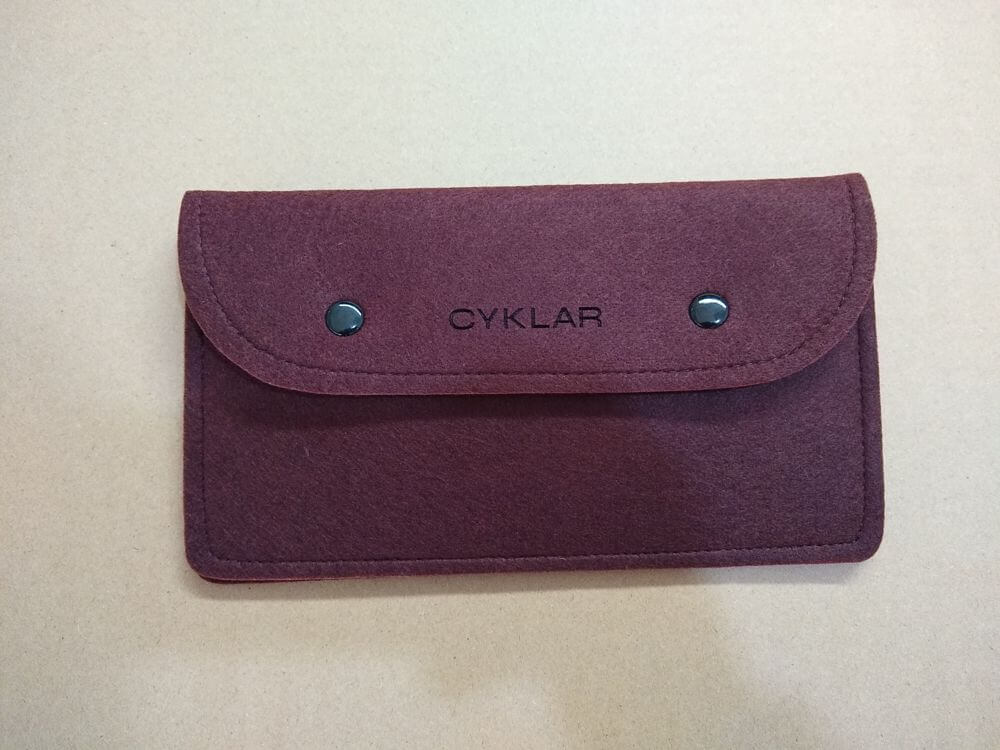
Overall view of the felt handbags. From a distance, they look fine — but close inspection reveals two critical defects.
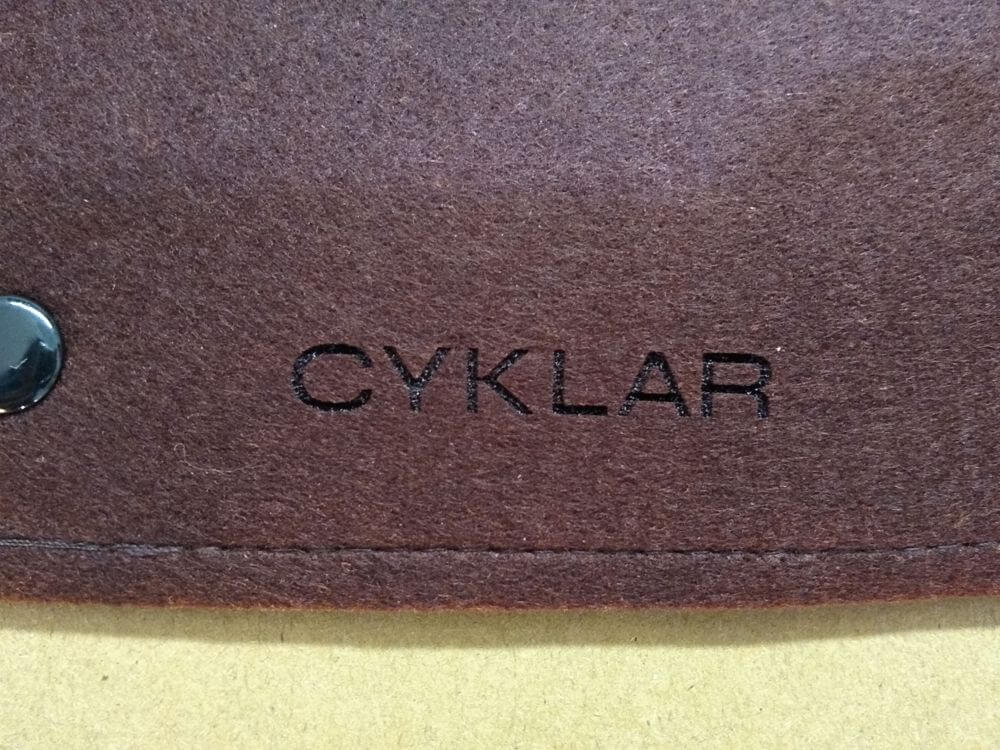
Close-up of the laser burn hole. The laser cut completely through the fabric instead of just marking the surface.
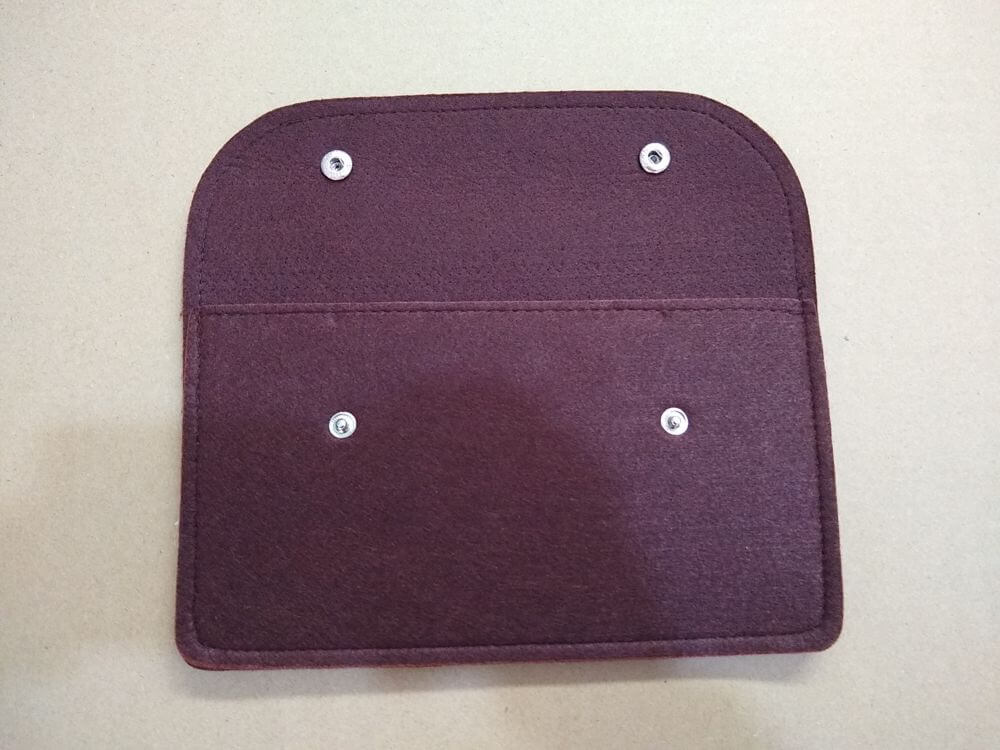
Another view of the burn hole — visible as a small hole in the felt material.
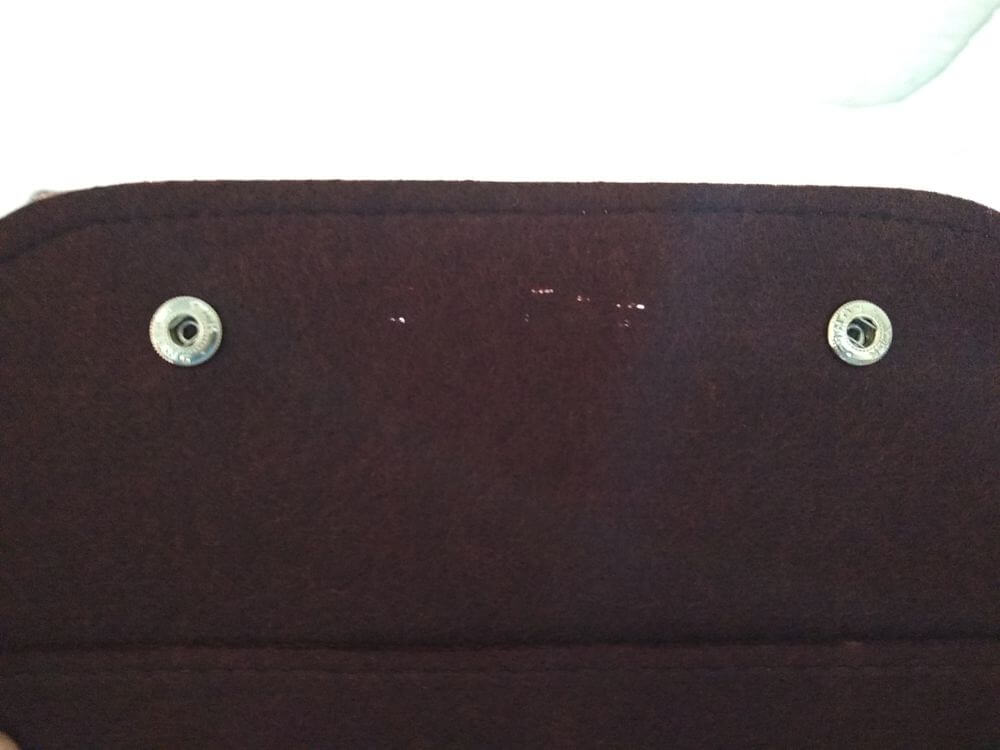
The burn hole as it appears on the product. Weakens the fabric and ruins the appearance.
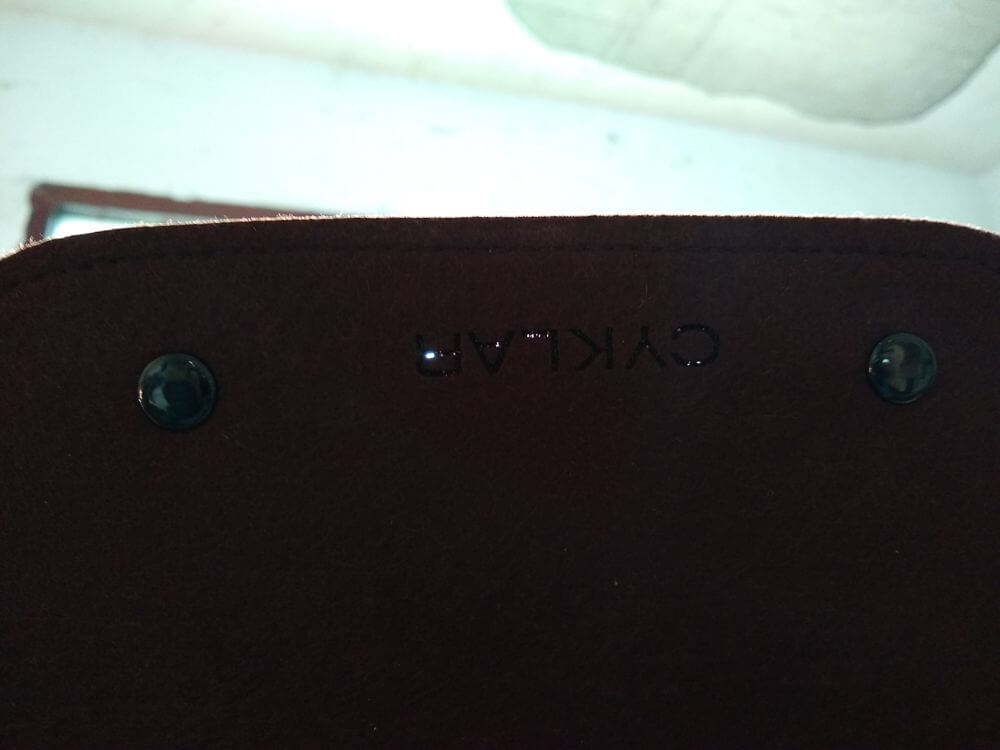
Color leakage — dye bleeding from the felt fabric onto surrounding areas.
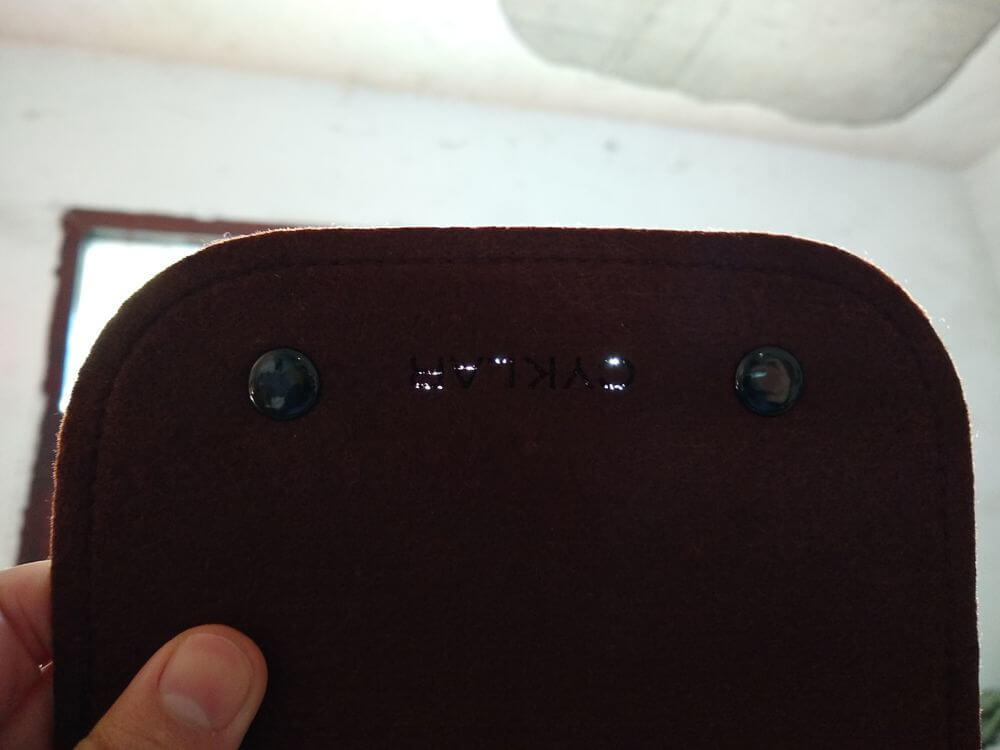
Close-up showing the dye transfer. The unstable pigment releases when exposed to moisture or friction.

Crocking test: a damp white cloth rubbed against the colored felt — showing dye transfer.
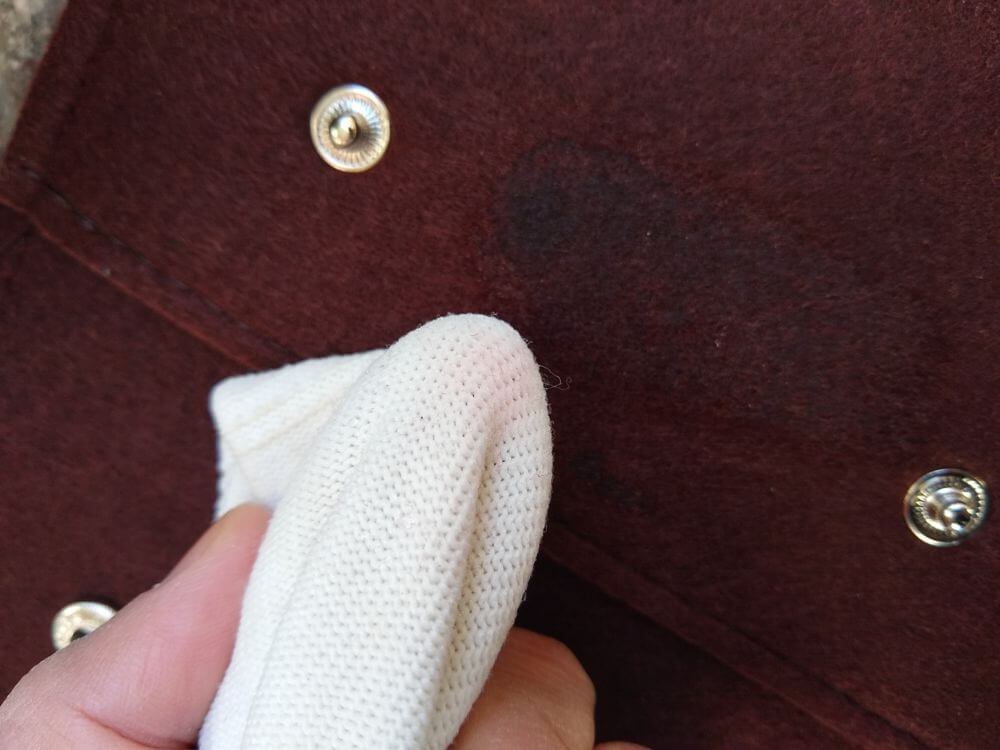
Washing test the color faded into water— showing dye transfer.
The Bottom Line: Lessons for Your Next Order
This case study is part of our ongoing effort to share real, on-the-ground inspection findings with buyers, brand owners, and sourcing professionals. The goal is simple: help you understand what can go wrong in production — and how to prevent it before it costs you time, money, and reputation.
This case is a reminder that even the simplest, cheapest products can have hidden defects. The factory dismissed the need for inspection because felt is “practically defect-proof.” But laser burns and color leakage were two issues they had never even considered — until our inspector found them.
Key takeaway: The defects you don’t think about are often the ones that cause the most damage. Don’t let anyone tell you that “simple” means “no problems.” The most overlooked defects are often the ones that cause the most damage to your brand’s reputation.
We hope these real case studies help you ask better questions, set clearer standards, and catch more issues before they ship.
🔍 Looking for reliable product inspection service in China?
With 17 years of on-site QC experience, we can help you catch these issues before they ship at $168/man-day.
Learn more →