Field Notes: The Risk of Overlooking High-Volume Cosmetic Packaging
This on-site deployment was commissioned by a French brand importing a bulk batch of synthetic polyester pouches designed for high-end cosmetics packaging. For the beauty and cosmetic sector, tactile quality is a major brand requirement; the fabric must feel refined, and the stitching lines must project a premium retail presentation.
When our quality inspector arrived at the textile facility, the factory management attempted to dismiss the necessity of the verification. The owner argued that because the product design was elementary, the order volume was modest, and the unit cost was low, an independent audit was unnecessary, suggesting our technician simply take a few arbitrary snapshots and clear the lot.
Our inspector politely explained that their job was precisely to handle what many consider “unnecessary trouble,” and requested the owner’s cooperation to proceed with the standard inspection protocol.
Following our standard operating procedures, our technician initiated full layout sampling across the completed cartons. Within the initial random samples, a systematic sewing deviation was logged. Upon documenting the physical proof, the factory management acknowledged the oversight, noting that their internal end-line quality check had completely failed to flag the variance. The owner fell silent, then admitted: *”We really overlooked this… We actually have QC in place, and even they missed it. You third-party inspectors really do have your own set of eyes, don’t you?”*
The Hard Lesson: The products that seem “too simple to inspect” are often the ones where complacency hides the most defects.
Technical Inspection Report
1. Defect Analysis
| Finding Analysis | Details |
|---|---|
| Product | Polyester drawstring bag / cosmetic pouch |
| Defect | Uneven seam alignment — deviated stitching line with inconsistent seam margins |
| Root Cause | 1) Machine operators failed to calibrate the edge guides before sewing; 2) Accelerated production pace with no mid-process quality gates; 3) Neglected by the factory’s own quality inspector. |
| Corrective Action | 1) Install and secure magnetic edge guides on the sewing platform before mass production; 2) Implement a mandatory “First-Batch Golden Gate” audit — the first 50 pieces must be thoroughly inspected before production continues. |
| Frequency | ⭐⭐⭐⭐☆ |
| Rework Difficulty | ⭐⭐⭐⭐☆ |
| Rework Collateral Risk | ⭐⭐☆☆☆ |
2. Technical Risk Assessment
| Engineering Metric | Rating | Technical Implications |
|---|---|---|
| Frequency | ⭐⭐⭐⭐☆ | Highly frequent in cut-and-sew operations where manual piece-feeding speed mismatches the machine needle stroke. |
| Rework Difficulty | ⭐⭐⭐⭐☆ | Highly frequent in cut-and-sew operations where manual piece-feeding speed mismatches the machine needle stroke. |
| Collateral Risk | ⭐⭐☆☆☆ | Moderate. Reworking tightly woven polyester fabric often stretches the textile grain, leading to puckering or edge fraying during re-stitching. |
Root Cause & Engineering Solutions
Structural Mechanics of the Uneven Seam
In manual textile manufacturing, achieving a straight, uniform seam line requires absolute synchronization between the operator’s fabric-guiding alignment and the machine’s feed dog movement.
The Cause:
Physical inspection of the defective pouches revealed that the seam margins fluctuated significantly along the drawstring channel. This occurs when:
Improper machine calibration — Sewing machine operators failed to properly calibrate and lock the edge guides on the sewing platform before executing the stitch run.
Accelerated production pace — With no mid-process quality gates, operators maintained inconsistent feeding angles, which went undetected by the factory’s internal QC checkers.
Complacency-driven quality failure — The factory’s own quality inspector skipped thorough checks because the product was considered “simple and cheap.”
The Solution:
Mandatory Platform Calibration — Prior to launching mass production for any textile lot, technicians must install and secure physical magnetic or mechanical edge guides onto the sewing machine bed to mechanically force a uniform seam allowance.
First-Batch Golden Gate — Implement a strict “First-Batch Complete Audit” protocol. The line supervisor must comprehensively check the first 50 finished pieces of any new operator or style adjustment to correct tension or tracking errors before bulk replication continues.
Long-Term Preventive Measures
| Measure | Description | Effectiveness |
|---|---|---|
| Magnetic Edge Guides | Install physical guides on the sewing platform to mechanically enforce uniform seam allowance. | ⭐⭐⭐⭐⭐ |
| First-Batch Golden Gate | Inspect the first 50 pieces before allowing mass production to continue. | ⭐⭐⭐⭐⭐ |
| In-Process QC Checkpoints | Conduct regular inspection intervals during production (e.g., every 100 units). | ⭐⭐⭐⭐ |
| Stitch Density Specification | Specify minimum stitch density (e.g., 12-14 stitches/3cm) in your purchase agreement. | ⭐⭐⭐⭐ |
| Worker Training | Ensure operators understand the importance of proper calibration — not just speed. | ⭐⭐⭐ |
On-Site Evidence Gallery
The unedited technical snapshots below document the seam tracking variances and structural asymmetries logged on the factory floor:
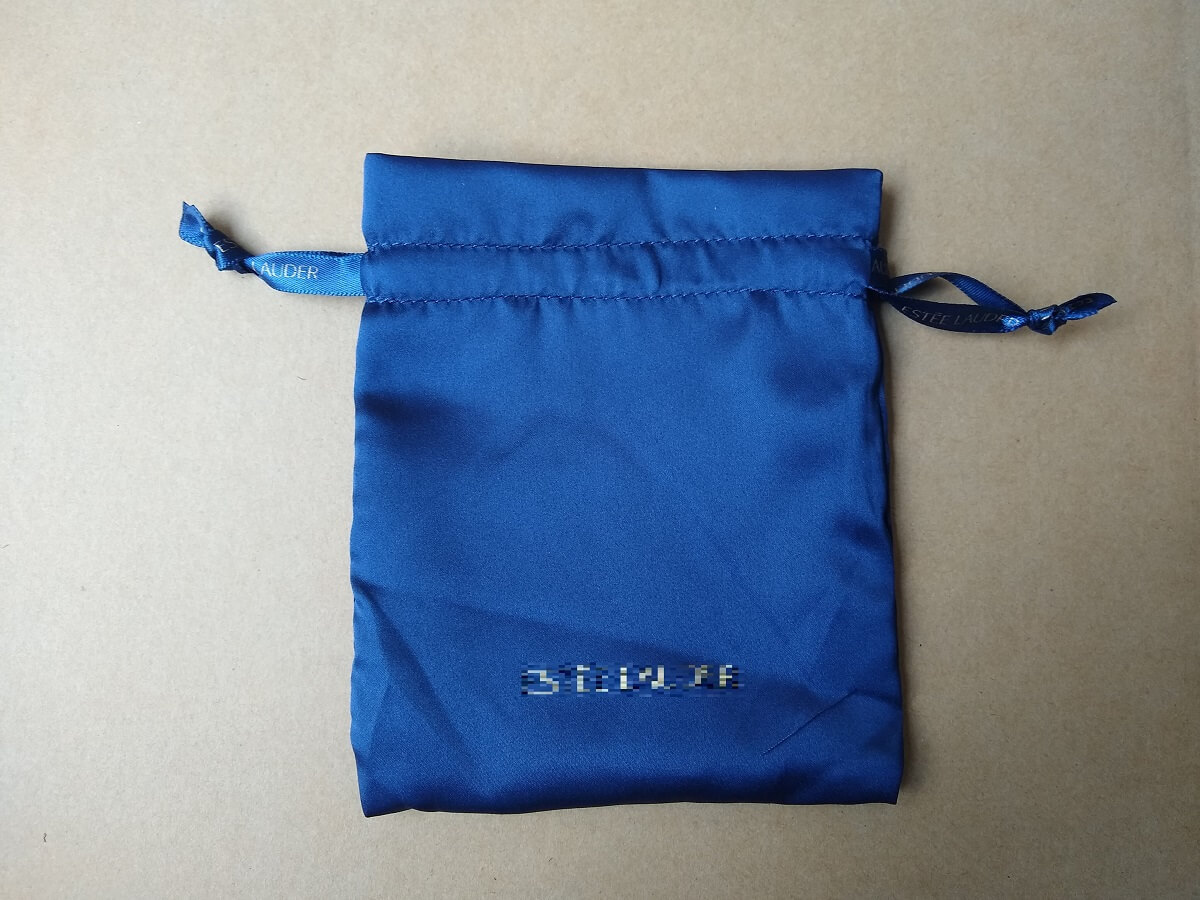
Overall view of the drawstring bag samples. From a distance, the defect may not be immediately obvious.
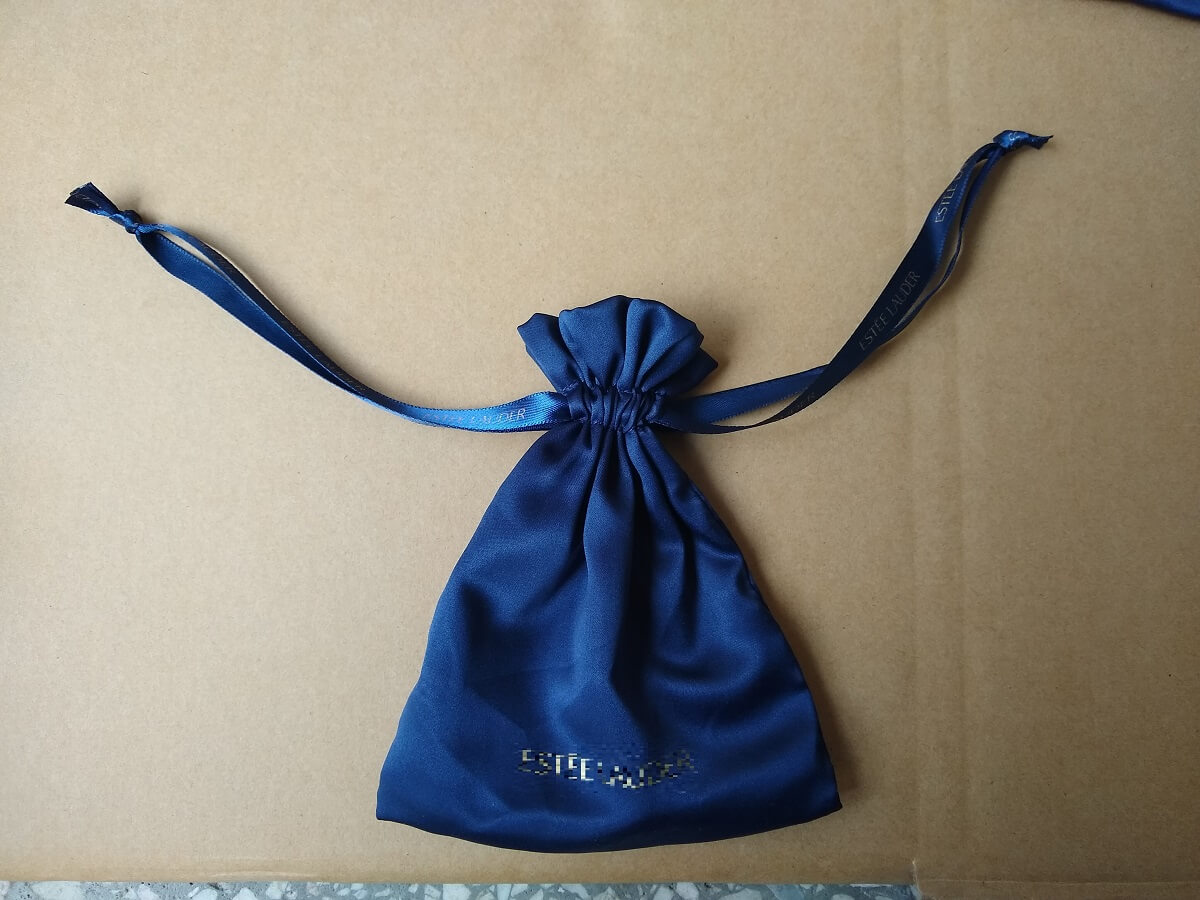
Close-up of the uneven seam — the stitching line is irregular and wavy.
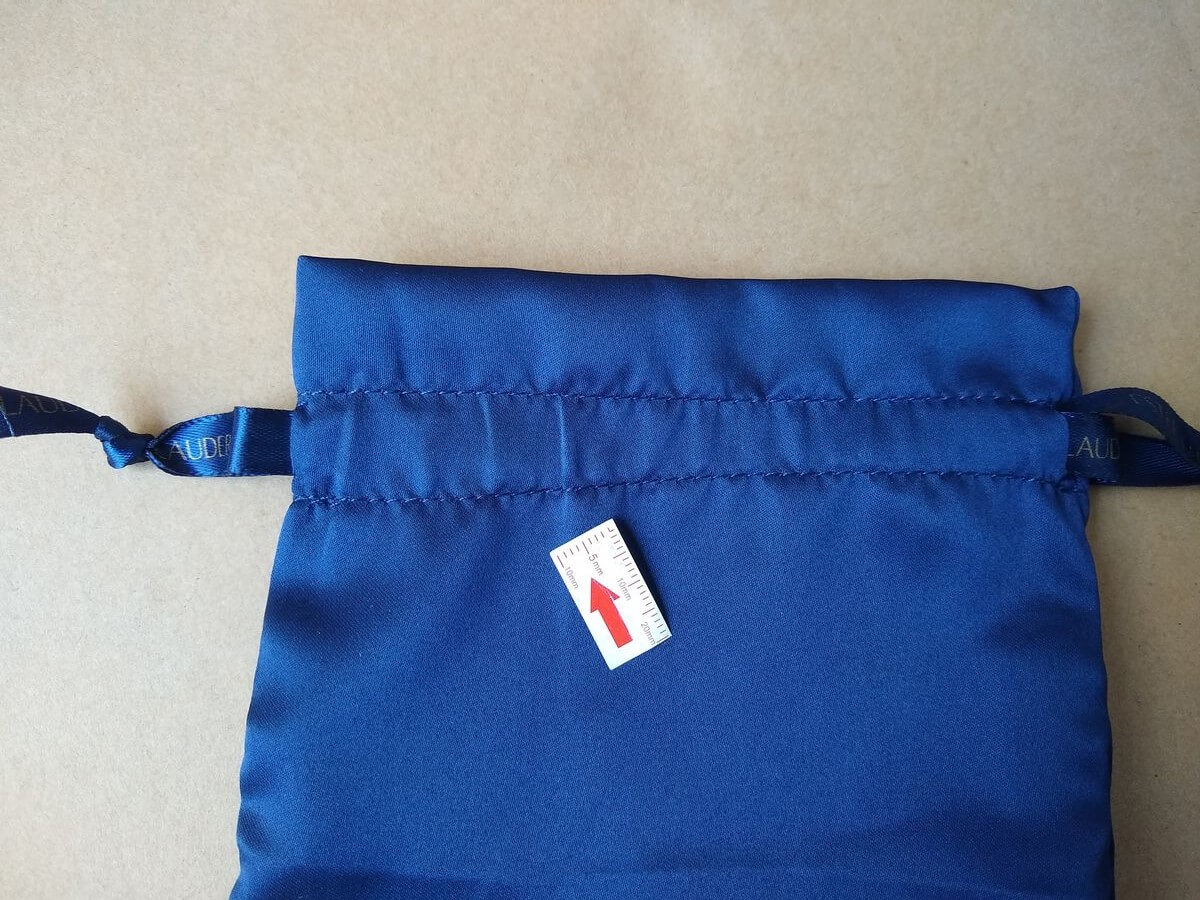
Another angle showing the inconsistent seam width along the bag’s edge.
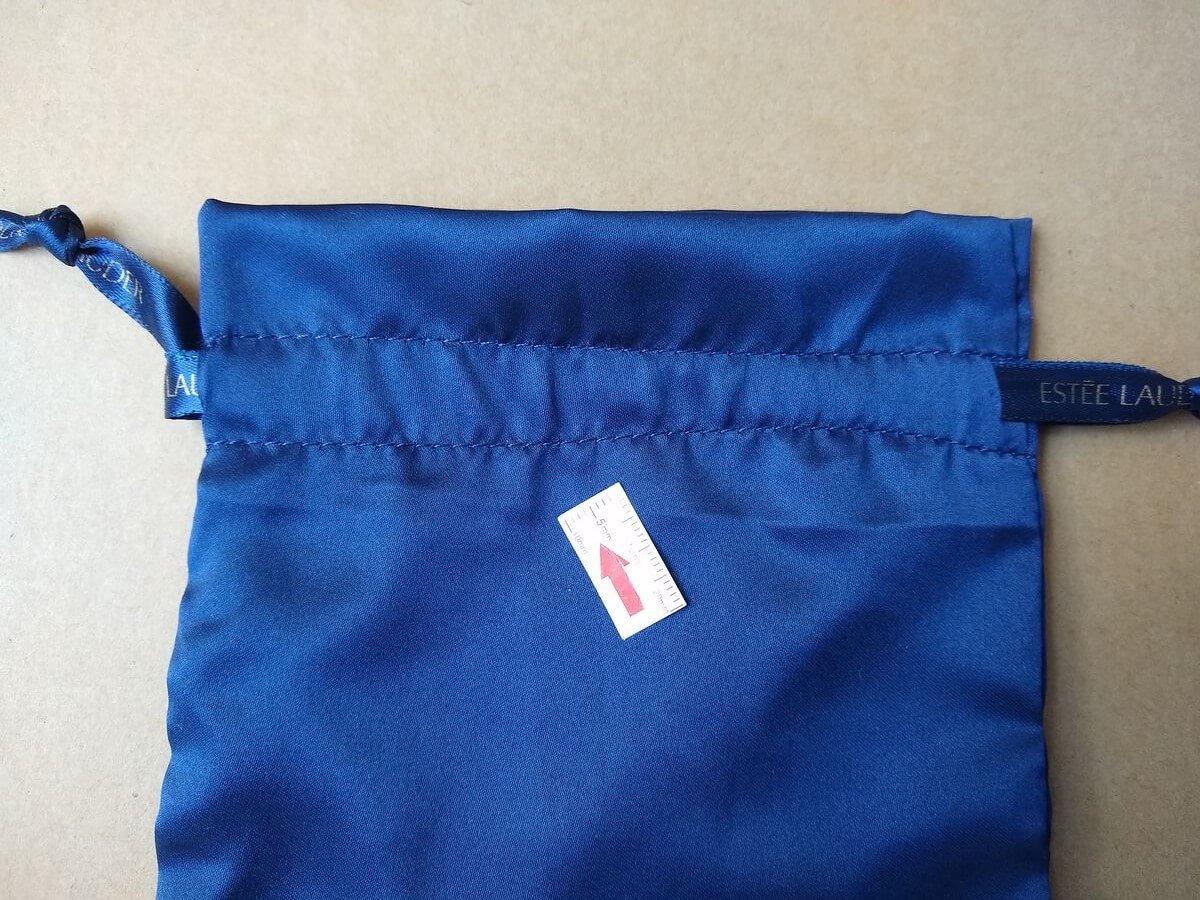
The seam as it appears on the finished product — visible to the end user and affects perceived quality.
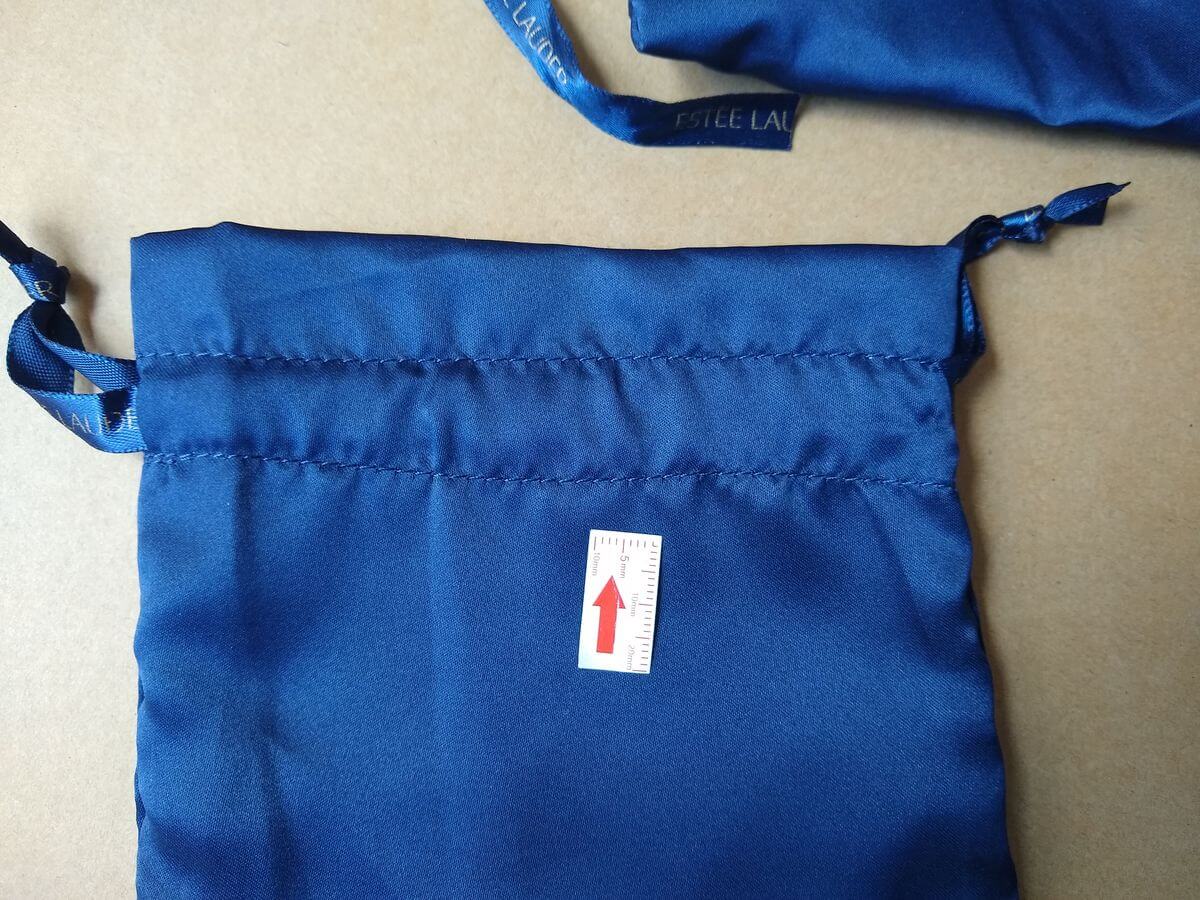
Close-up showing the irregular stitch pattern and inconsistent seam line.
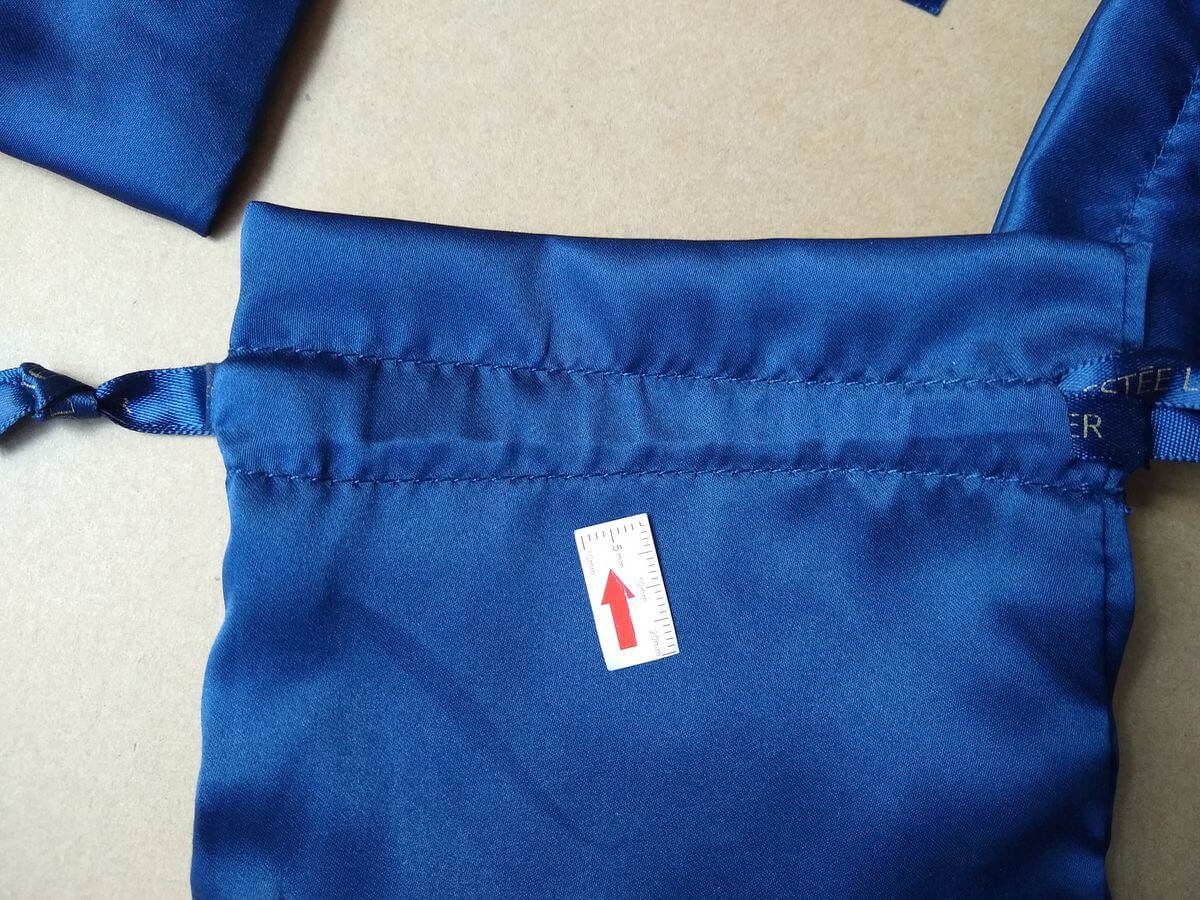
Another sample showing the same defect — indicating a systematic setup issue rather than an isolated error.
💡 QC Insight for Buyers
For procurement professionals and brand owners sourcing textile products — especially for premium cosmetics packaging:
“Simple” is not “defect-proof.” The products that seem too simple to inspect are often the ones where factories cut corners on setup and QC.
Cosmetic packaging is product quality. A premium cosmetic brand cannot afford uneven seams on its packaging. The consumer judges the product by the packaging first.
Require the First-Batch Golden Gate. The very first 50 units off the production line must be thoroughly inspected before mass production starts. This single step prevents 90% of setup-related defects.
Specify stitch density. Include minimum stitch density requirements (e.g., 12-14 stitches per 3cm) in your purchase agreement. This gives your inspector a measurable standard to verify.
Don’t trust the factory’s internal QC. As this case shows, even factories with QC staff can miss defects — especially when they become complacent about “simple” products.
Check the seam visually and physically. Run your finger along the seam line. An uneven seam will feel bumpy or wavy to the touch, even if it’s not immediately visible from a distance.
The Bottom Line: Lessons for Your Next Order
This case study is part of our ongoing effort to share real, on-the-ground findings with buyers, brand owners, and sourcing professionals. The goal is simple: help you understand what can go wrong in production — and how to prevent it before it costs you time, money, and reputation.
This case is a reminder that simple design does not equal low defect rate. The factory owner dismissed the need for inspection because the product was “elementary.” His own QC inspector missed the defect because they assumed there was nothing to find. But the defect was there — and it would have reached the end customer if not caught.
Key takeaway: The products that seem “too simple to inspect” are often the ones where the most defects hide. Never let a supplier convince you that inspection is unnecessary. Independent verification is the only guarantee.
We hope these real case studies help you ask better questions, set clearer standards, and catch more issues before they ship.
Have a similar quality issue? Feel free to reach out — we’re happy to share our experience.
🔍 Looking for reliable product inspection service in China?
With 17 years of on-site QC experience, we can help you catch these issues before they ship at $168/man-day.
Learn more →