📌 The Story Behind the Inspection
This case stems from a Final Pre-Shipment Inspection commissioned by a premium European retailer.
The manufacturing facility was a massive, vertically integrated giant — historically recognized as one of the largest ceramic producers in China (and globally), which has successfully completed its IPO and is now a publicly listed corporation.
Given their elite status, their internal organizational structure, QA protocols, and design departments were staffed by top-tier technical talents in the country. In fact, the factory’s sales merchandiser confidently implied that questioning their quality control was almost an insult to their reputation.
However, a professional inspection relies strictly on data and on-site physical verification, not reputation. After counting the lot and performing random sampling from the bulk cartons, we uncovered a critical aesthetic and structural defect in the production batch.
When confronted, the merchandiser was at a loss for words. The QA managers couldn’t explain it either. Finally, the technical R&D developers were called to the floor. Upon examining the bowls, the lead developer admitted: *”We were careless “* They were baffled as to why this issue didn’t manifest during the initial sampling stage of this new glazing technique.
The Hard Lesson: Even the world’s largest, most professional factories can overlook critical parameters. Reputation does not guarantee compliance — verification does.
🔍 Defect Breakdown & Root Cause Analysis
| Finding Analysis | Details |
|---|---|
| Product | Ceramic bowl |
| Defect | Fake crack / dent mark on the glaze surface |
| Observed Phenomenon | Visible lines resembling hair-line cracks and irregular indentations embedded within the interior glazed surface of the bowls. |
| Root Cause | Glaze solution concentration too strong, causing glaze amassment (pooling) at the bottom and curves of the bowl. During kiln curing, excessive accumulation causes the glaze to tear up, generating “fake cracks” and dent marks. |
| Corrective Action | Dilute the glaze solution to proper concentration and ensure even application. |
| Frequency | ⭐⭐☆☆☆ |
| Rework Difficulty | ⭐⭐⭐⭐⭐ |
| Rework Collateral Risk | ⭐⭐⭐⭐⭐ |
Why Did It Happen? (The Technical Debate)
During our on-site investigation with the factory’s R&D team, we analyzed two primary technical blind spots that allowed this defect to bypass their sample trials:
Inaccurate Simulation During Trial Glazing — The initial trial run did not fully replicate the actual physical conditions and fluid dynamics inside a hollow bowl when applying the glaze. Testing on flat plates rather than inside the actual bowl geometry missed the pooling behavior.
Bulk Glaze Concentration Deviation — The concentration of the liquid glaze solution used during mass production deviated from the approved formulation, becoming significantly too strong.
Ultimately, the factory’s technical developer confirmed that the precision control of the bulk glaze concentration was inadequate. When the glaze solution is too concentrated, it leads to glaze amassment (pooling) at the bottom and curves of the bowl. During the high-temperature kiln curing process, this excessive accumulation causes the glaze to tear up as it cures, generating severe “fake cracks” and permanent dent marks.
📊 Technical Risk Assessment
| Engineering Metric | Rating | Engineering Insight |
|---|---|---|
| Frequency | ⭐⭐☆☆☆ | Relatively uncommon, but occurs when new glaze formulations are introduced without proper concentration calibration for mass production. |
| Rework Difficulty | ⭐⭐⭐⭐⭐ | Extremely high. Once the glaze is cured and fired in the kiln, it cannot be simply wiped or repainted. |
| Rework Collateral Risk | ⭐⭐⭐⭐⭐ | Very high. Re-firing or stripping glazed ceramics frequently leads to thermal shock, body warping, or color deviations, rendering the batch scrap. |
On-Site Evidence Gallery
The unedited technical snapshots below document the glaze defect observed on the ceramic bowls:

Close-up of the “fake crack” defect — the glaze has torn apart during firing, leaving a crack-like dent on the surface.
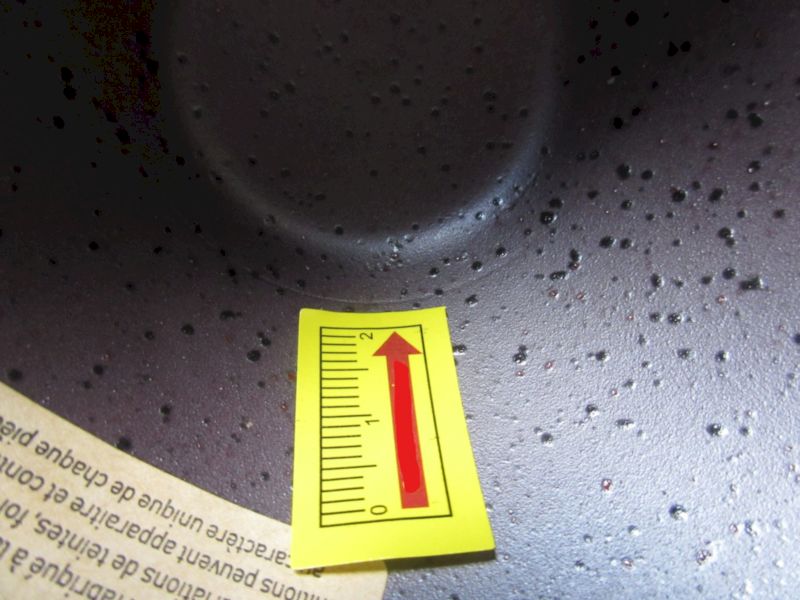
Another angle showing the glaze accumulation and subsequent tearing that created the dent mark.
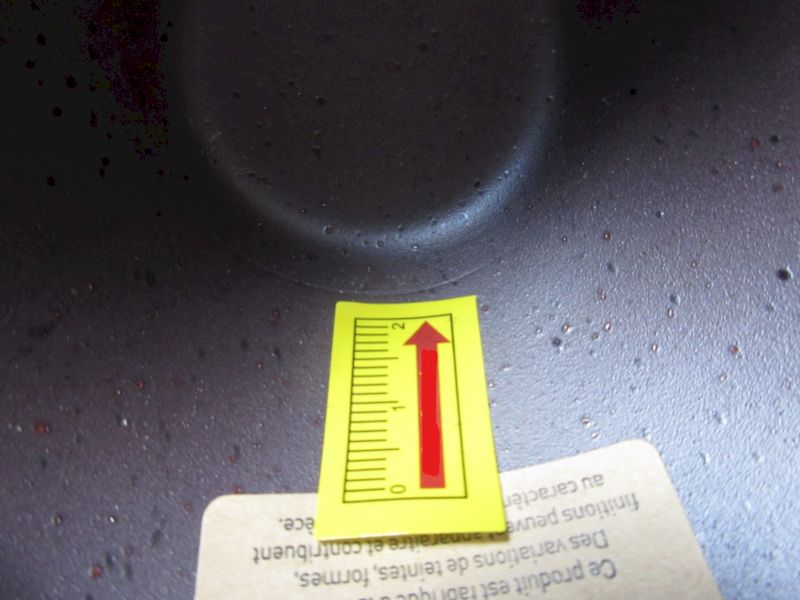
The defect as it appears on the finished bowl — resembling a crack but actually a glaze curing issue.
Long-Term Preventive Measures
| Measure | Description | Effectiveness |
|---|---|---|
| Glaze Concentration Control | Implement strict concentration monitoring using a hydrometer or viscometer at regular intervals during production. | ⭐⭐⭐⭐⭐ |
| Full-Simulation Sampling | The sampling phase must replicate mass production conditions exactly — same glaze concentration, same application method (inside hollow bowls), same firing cycle. | ⭐⭐⭐⭐⭐ |
| First-Article After Firing | Inspect the first pieces out of the kiln before continuing the run. This would have caught the defect immediately. | ⭐⭐⭐⭐⭐ |
| Glaze Application Consistency | Standardize the glazing method (dipping, pouring, or spraying) and ensure operators follow the same technique throughout the run. | ⭐⭐⭐⭐ |
| Kiln Profile Validation | Confirm that the firing curve matches the specifications used during sampling. | ⭐⭐⭐⭐ |
💡 Proactive Advice for Global Buyers
When sourcing tableware and ceramics from China — even from world-class, publicly listed mega-factories — never assume their internal tech teams are infallible. New techniques always introduce new risks.
To safeguard your supply chain against glaze amassment and cracking, ensure your quality checklist includes the following checkpoints before production runs:
Demand a “Full-Simulation” Sample Report — Require the factory to test new glazing methods on the exact finished product geometry (e.g., inside deep bowls), rather than flat test plates. This replicates the actual fluid dynamics.
Lock the Glaze Density/Concentration Parameter — Ensure the technical specification data sheet clearly states the specific gravity/concentration limits of the glaze solution for bulk production.
Conduct a “During Production” (DPI) Check — Catching glaze consistency issues while the kiln is running saves weeks of delays compared to discovering them at the final pre-shipment stage.
The Bottom Line: Lessons for Your Next Order
This case study is part of our ongoing effort to share real, on-the-ground findings with buyers, brand owners, and sourcing professionals. The goal is simple: help you understand what can go wrong in production — and how to prevent it before it costs you time, money, and reputation.
This case is a reminder that even the world’s largest, most professional factories can overlook critical parameters. The factory’s technical team was genuinely skilled. Their QC organization was robust. But when a new glaze formulation was introduced, the concentration calibration for mass production was not precise enough — and the defect went unnoticed until the inspection.
Key takeaway: A factory’s reputation, size, or IPO status does not guarantee defect-free production. Only independent verification — with the right technical expertise — can catch what internal teams overlook.
We hope these real case studies help you ask better questions, set clearer standards, and catch more issues before they ship.
Have a similar quality issue? Feel free to reach out — we’re happy to share our experience.
🔍 Looking for reliable product inspection service in China?
With 17 years of on-site QC experience, we can help you catch these issues before they ship at $168/man-day.
Learn more →